Comprehensive Guide to Heater Replacement
Understanding when to replace your heater is crucial for maintaining a comfortable and energy-efficient home. Homeowners often face the dilemma of whether to invest in a new heating system or repair their existing one. This guide will help you navigate the signs that indicate a replacement is necessary, ensuring you make an informed decision.
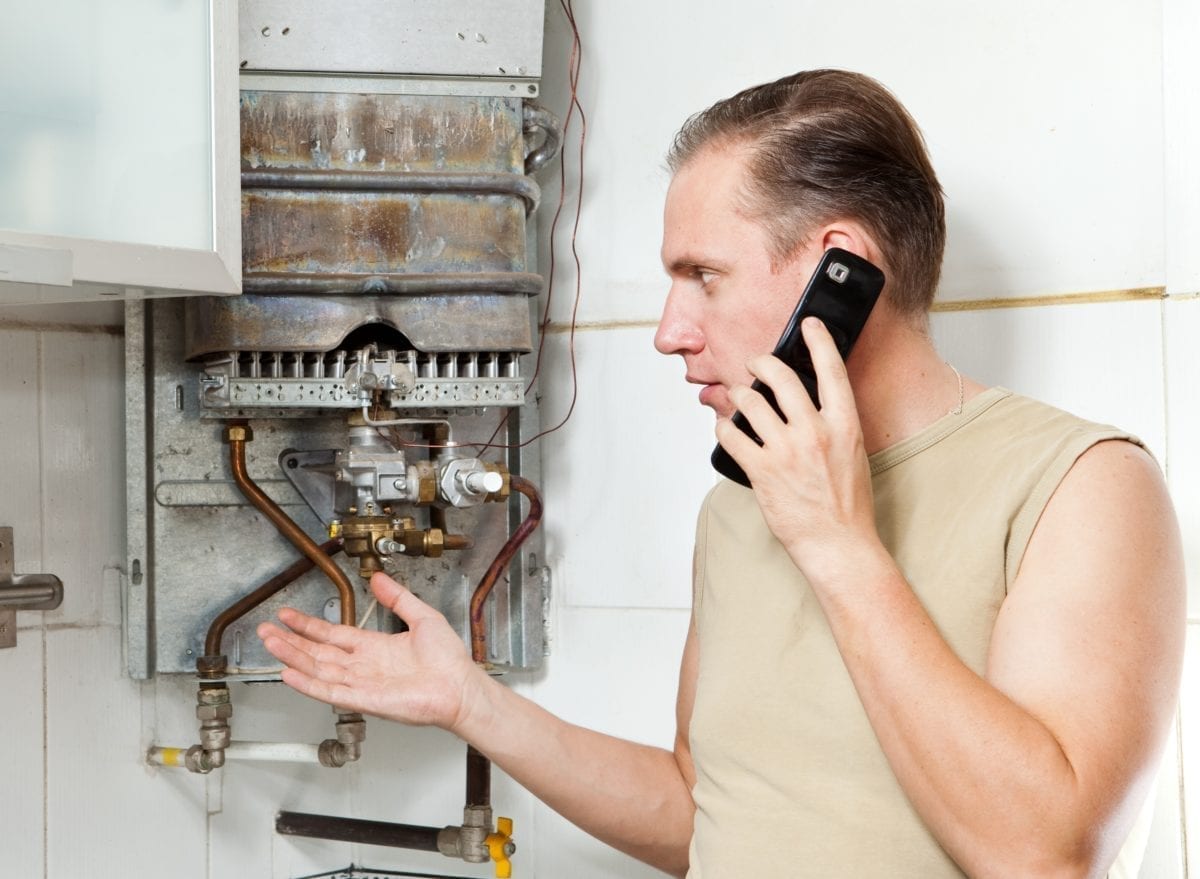
Key indicators for heater replacement include frequent breakdowns, rising energy bills, and inconsistent heating. For instance, if your heater requires repairs multiple times within a year, it may be more cost-effective to replace it rather than continue investing in repairs. Additionally, if your heater is over 15 years old, consider upgrading to a more energy-efficient model, which can significantly reduce your utility costs.
Benefits of Upgrading Your HVAC System
Investing in a new HVAC system offers numerous advantages that extend beyond just improved heating. Modern systems are designed with advanced technology that enhances energy efficiency, potentially lowering your monthly utility bills and reducing your carbon footprint.
For example, newer units often come equipped with smart thermostats, allowing for better temperature control and scheduling. This not only improves comfort but also optimizes energy use. Furthermore, many manufacturers offer warranties and financing options, making it easier for homeowners to upgrade without a hefty upfront cost.
Maintaining Indoor Air Quality During Replacement
When replacing your heater, it's essential to consider how the new system will impact your indoor air quality. A high-quality HVAC system can help filter out pollutants, allergens, and humidity, contributing to a healthier living environment.
For instance, installing a system with advanced air filtration can significantly reduce dust, pollen, and other allergens in your home. Additionally, consider integrating a dehumidifier or air purifier with your new system to further enhance air quality, especially in areas prone to moisture and mold.
Common Mistakes to Avoid When Replacing Your Heater
Homeowners often make critical mistakes during the heater replacement process that can lead to dissatisfaction and additional costs. One common error is not conducting thorough research on different heating systems and their efficiency ratings.
Another mistake is underestimating the importance of professional installation. A poorly installed system can lead to inefficiencies and premature breakdowns. Always consult with certified HVAC professionals to ensure your new system is correctly sized and installed, maximizing performance and longevity.