
A week of below-zero temperatures can turn a small plumbing weak spot into a major cleanup. In southeastern South Dakota, frozen pipe prevention is not just a winter chore. It is one of the most practical ways to protect your home, rental property, or business from burst pipes, water damage, and an urgent after-hours repair.
Pipes freeze when the water inside them loses heat faster than the surrounding area can replace it. As water freezes, it expands. The ice itself is not always what breaks the pipe. Pressure often builds between the ice blockage and a closed faucet, splitting copper, plastic, or older galvanized lines in a wall, ceiling, crawl space, or cabinet. The damage may not show up until temperatures rise and water begins flowing again.
The good news is that most frozen-pipe problems are preventable when you identify vulnerable areas before a hard cold snap arrives.
Where Pipes Freeze First in South Dakota Homes
The pipes most likely to freeze are usually not in the middle of a heated living room. They are in areas where cold outdoor air can reach plumbing or where heat is limited: exterior walls, unheated basements, crawl spaces, attics, garages, utility rooms, and kitchen or bathroom cabinets along outside walls.
Homes in Yankton, Vermillion, and nearby communities can have very different risk points. An older home may have limited insulation around plumbing penetrations or an unconditioned crawl space. A newer home may have plumbing routed through an exterior wall, a garage wall, or a basement rim joist that needs better air sealing. Rental homes and vacant commercial spaces are especially vulnerable when thermostats are turned down too far or a furnace stops running.
Look for warning signs before winter settles in. Cold spots near pipes, drafts under sinks, frost on foundation walls, slow-flowing faucets, and rooms that never seem to hold their temperature all deserve attention. A pipe that has frozen once should be treated as a known risk, even if it did not burst.
Frozen Pipe Prevention South Dakota Property Owners Can Do Now
Start with consistent indoor heat. Keep the thermostat set to at least 55 degrees when a property is occupied, vacant, or being watched by someone else. Setting it lower may reduce fuel use for a short period, but the savings can disappear quickly after a burst line damages flooring, drywall, insulation, or inventory.
During severe cold, open cabinet doors beneath kitchen and bathroom sinks that sit on exterior walls. This lets warmer room air circulate around supply lines. Avoid storing cleaners, chemicals, or other hazardous products where children or pets can reach them if cabinet doors are left open.
A small, steady trickle of water can help protect a pipe that has a history of freezing. Moving water is less likely to freeze than standing water, and an open faucet can relieve pressure if ice begins to form. This is not necessary for every faucet all winter. It is best used selectively for known problem lines during prolonged extreme cold.
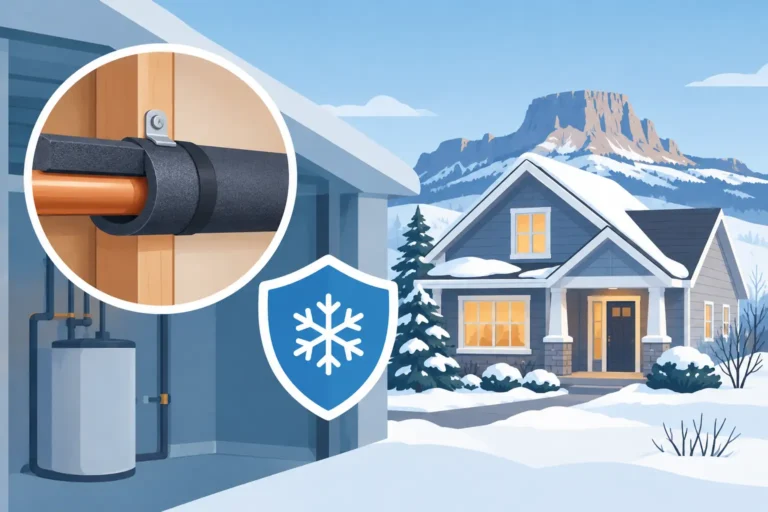
Insulation is another smart layer of protection, but it needs to be applied thoughtfully. Foam pipe sleeves can help exposed pipes in basements, crawl spaces, garages, and utility areas. They do not replace heat, and they cannot solve a pipe located in a space that routinely falls below freezing. In those situations, a plumbing professional may recommend improving insulation, sealing air leaks, rerouting a line, adding approved heat cable, or addressing the heating problem that is allowing the area to get too cold.
Outdoor plumbing needs attention, too. Disconnect garden hoses before freezing weather arrives. Shut off and drain outdoor hose bibs when the plumbing setup allows it. A hose left attached can hold water against the faucet and allow freezing to reach farther back into the piping. If you are unsure whether an outdoor faucet is frost-free or whether it has an interior shutoff, have it inspected rather than guessing.
Your Furnace Is Part of Your Plumbing Protection Plan
A reliable heating system is one of the strongest defenses against frozen pipes. When a furnace, boiler, or heat pump cannot maintain temperature, plumbing in exterior walls, lower levels, and unoccupied rooms can become vulnerable in hours, not days.
Do not close too many supply registers or shut off heat to rooms with plumbing. It may seem reasonable to reduce heating in a guest room or basement, but cold air can move into wall cavities and affect nearby pipes. Keep interior doors open when practical so heat can circulate, especially in rooms with exterior plumbing walls.
If your furnace is making unusual noises, cycling frequently, blowing cool air, or struggling to keep up, schedule service before the next cold stretch. Replacing an air filter may help airflow, but it will not correct ignition problems, failed components, fuel-supply issues, or unsafe combustion conditions. A trained technician can diagnose the cause and help keep the home safely heated.
For landlords and property managers, winter planning should include clear thermostat requirements, emergency contact information, and routine checks of vacant units. A low-cost temperature sensor can offer additional peace of mind in utility rooms, crawl spaces, and buildings that are not occupied every day. Technology is useful, but it does not replace regular oversight and a dependable response plan.
What to Do If a Pipe Freezes
A frozen pipe does not always mean a burst pipe, but it should be addressed promptly. First, turn on the affected faucet. If there is little or no water flow, leave the faucet open so melting ice can relieve pressure.
Then check accessible areas for leaks, bulging pipe, frost, damp drywall, or water stains. If you see active leaking, hear water running behind a wall, or find water pooling, shut off the main water supply if you can do so safely. Everyone responsible for a home or commercial property should know where the main shutoff is located and how it operates.
For an exposed, accessible pipe, gentle heat may thaw a minor freeze. A hair dryer, warm towels, or a space heater positioned at a safe distance can be appropriate. Start near the faucet and work back toward the colder section. Never use an open flame, torch, propane heater, or other high-heat method on plumbing. Fire damage and damaged piping are not worth the risk.
Do not assume the problem is solved as soon as water starts moving. Inspect the line while it thaws and again after temperatures improve. A crack may be small at first and open further as pressure returns. If the frozen section is behind a wall, in a crawl space, near electrical wiring, or impossible to reach safely, professional help is the right call.
When a Permanent Repair Makes More Sense
Repeated freezing is a building or plumbing-system issue, not simply bad luck. Letting the same pipe freeze every winter can eventually lead to a burst at the worst possible time. A lasting repair may involve insulating and sealing the surrounding cavity, modifying ductwork to improve heat delivery, repairing a heating issue, relocating the pipe, or replacing aging lines.
The right solution depends on the home. Adding insulation without correcting an air leak may not hold enough heat. Installing heat cable without addressing its power source, controls, and safe placement can create another concern. A qualified plumber can assess the pipe material, routing, accessibility, and surrounding conditions before recommending work.
Larry’s Plumbing, Heating and Cooling helps local homeowners and businesses address both sides of the problem: the plumbing that needs protection and the heating system that keeps the building safe. When a frozen line or heating failure cannot wait, 24/7 emergency service can help limit damage and restore peace of mind.
Before the next deep freeze, walk through your property with a practical eye. Find the water shutoff, check vulnerable rooms for drafts, protect exposed plumbing, and make sure your heating system is ready to carry the load. A little preparation on a calm day is far easier than managing water damage on the coldest night of the year.