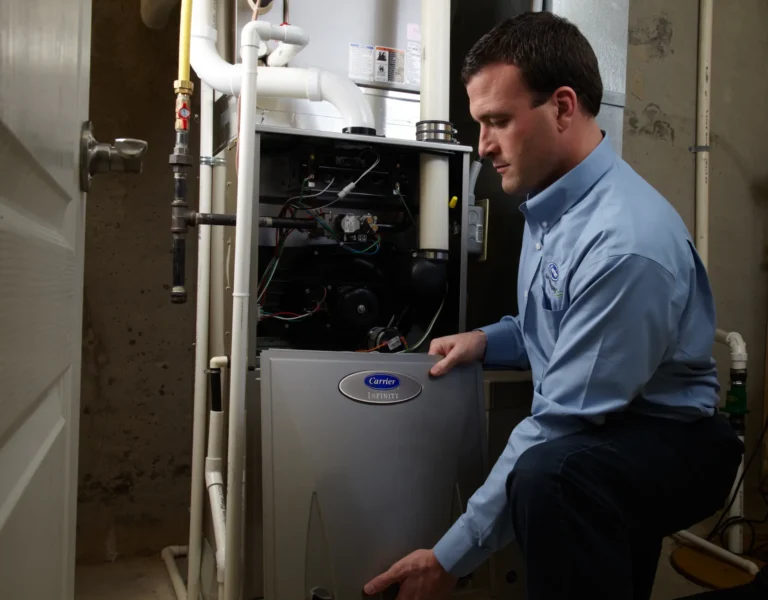

A conventional tank water heater holds between 40 and 80 gallons of water and keeps it hot around the clock, ready for the moment you turn on a tap or start the dishwasher. That standby operation is convenient, but it also means the unit works quietly in the background every single day, often for a decade or more before anyone thinks about it. When it finally fails, the signs are rarely subtle: a cold shower, a puddle on the basement floor, or a rumbling sound from the tank. That is usually when homeowners in Vermillion and Yankton, SD call us.
Why Water Heaters Fail When They Do
Most water heaters do not stop working overnight. They wear down gradually as sediment collects at the bottom of the tank, heating elements corrode, and internal components lose efficiency. Hard water speeds this process along because dissolved minerals settle and harden, forcing the burner or element to work longer to heat the same amount of water. Over time, this reduces the volume of usable hot water and raises your energy bills without any obvious warning.
Anode rods are another common culprit. These sacrificial rods are designed to corrode in place of the steel tank, protecting it from rust. Once the rod is spent, the tank itself begins to deteriorate, which eventually leads to leaks. A tank leak is not repairable, so recognizing early symptoms gives you the chance to plan a replacement instead of reacting to an emergency. When something does go wrong at an inconvenient hour, Larry's Plumbing, Heating and Cooling offers 24/7 emergency service so you are never left waiting for hot water to return.
Choosing the Right Type for Your Home
There is no single best water heater for every household. The right choice depends on how much hot water you use, the fuel available, and how much space you have. We help you weigh these factors honestly rather than pushing the most expensive option.
- Conventional tank units: Reliable and affordable to install, these store a set volume of hot water and suit most families with predictable usage patterns.
- Tankless water heaters: These heat water on demand, eliminating standby loss and providing an endless supply, which works well for homes that want to save space and reduce energy waste.
- Heat pump water heaters: These pull heat from the surrounding air to warm the water, using far less electricity than standard electric models in the right conditions.
We service all makes and models, so whether you are replacing an aging unit with the same type or upgrading to a different technology, we can guide you through the tradeoffs. Tankless systems, for example, require adequate gas supply and venting, while heat pump units need enough surrounding air volume to operate efficiently. These technical details matter, and getting them right is the difference between a system that performs and one that disappoints.
Our Installation and Replacement Process
When you schedule a water heater replacement with us, the work begins before we remove anything. We start with a free estimate and an assessment of your current setup, including the fuel type, venting, water pressure, and the demands of your household. This lets us recommend a unit sized correctly for your needs rather than one that is too small to keep up or too large to run efficiently.
On installation day, our licensed technicians drain and disconnect the old unit, inspect the surrounding connections, and set the new water heater to code. We verify gas or electrical connections, test for leaks, check the temperature and pressure relief valve, and make sure venting is safe and proper. Before we leave, we confirm the unit is heating correctly and walk you through basic maintenance so you understand your new system.
Maintenance That Extends Equipment Life
A water heater is one of the hardest-working appliances in your home, and a little attention goes a long way. Flushing the tank once a year removes sediment buildup, which protects efficiency and reduces strain on the heating element or burner. Checking the anode rod periodically and replacing it when needed can add years to the life of a tank unit.
For tankless systems, descaling is the equivalent step, especially in areas with hard water. We recommend routine inspections to catch small issues before they become expensive repairs. Regular maintenance also keeps your unit operating safely, which is particularly important for gas-fired models where venting and combustion must remain unobstructed.
Why Homeowners Trust Us
We are a family owned full service plumbing, heating and cooling business that has been in business since 1982. That longevity means we have installed, repaired, and replaced water heaters of every type across thousands of homes, and we bring that practical experience to each job. We treat your home with respect and explain our recommendations in plain language.
We also understand that replacing a water heater can be an unexpected expense, which is why we offer financing to make the process manageable. Combined with our free estimates and 24/7 emergency service, Larry's Plumbing, Heating and Cooling gives you a dependable partner for keeping hot water flowing throughout your home. When your water heater needs attention, reach out and let us help you find the right solution.