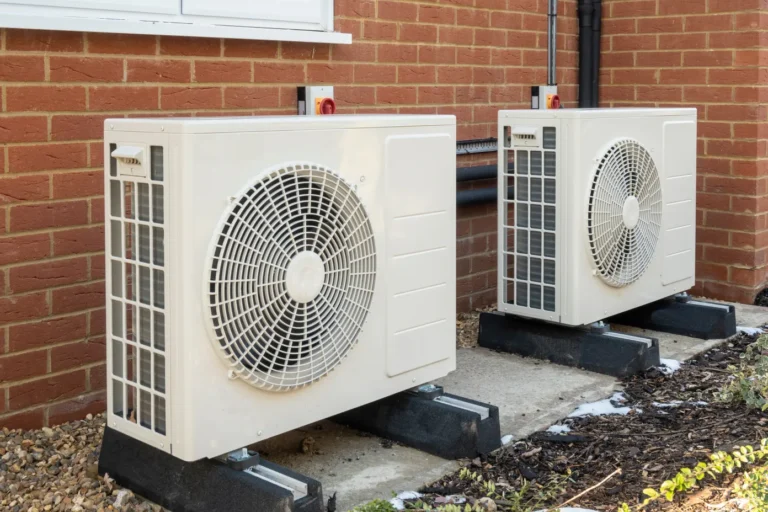

Choosing how to heat and cool your home is one of the most significant decisions you make as a property owner, and a heat pump often sits at the center of that conversation. Unlike systems that burn fuel to create warmth, a heat pump moves existing heat from one place to another. This single principle changes everything about efficiency, comfort, and long-term operating costs. When temperatures drop, the system pulls warmth from the outdoor air or ground and brings it inside. When summer arrives, it reverses direction and carries heat out of your home. One piece of equipment handles both jobs, and that versatility is exactly why so many households are taking a closer look.
At Larry's Plumbing, Heating and Cooling, we have watched heat pump technology mature into a practical solution for a wide range of homes. As a family owned full service plumbing, heating and cooling business that has been in operation since 1982, we have installed, repaired, and maintained systems through decades of change. That experience means we can tell you honestly whether a heat pump fits your situation, and we can back that advice with skilled installation and dependable service afterward.
How a Heat Pump Actually Works
The core of every heat pump is a refrigeration cycle, similar in concept to what runs inside your refrigerator. A refrigerant circulates through coils, changing between liquid and gas states as it absorbs and releases heat. A compressor drives this cycle, and a reversing valve allows the direction of heat transfer to flip between heating and cooling modes. Because the system relocates heat rather than generating it from combustion, it can deliver several units of heating energy for every unit of electricity it consumes.
This efficiency is measured in specific terms. Heating performance is rated by HSPF, and cooling performance is rated by SEER. Higher numbers indicate greater efficiency and lower running costs. Modern variable-speed compressors adjust their output to match demand instead of simply cycling on and off, which keeps indoor temperatures steadier and reduces energy waste. When we evaluate your home, we consider these ratings alongside your square footage, insulation, and local climate to recommend equipment sized correctly for your needs.
The Main Types We Install
Not every heat pump is built the same way, and the right choice depends on your property and goals. Understanding the differences helps you make a confident decision.
- Air-source heat pumps: The most common type, these exchange heat with the outdoor air and connect to your existing ductwork. They balance cost and performance well for most homes.
- Ductless mini-split systems: Ideal for additions, older homes without ducts, or rooms that need individual control. Each indoor unit operates independently, letting you heat or cool specific zones.
- Geothermal (ground-source) systems: These use the stable temperature of the earth to achieve exceptional efficiency. Installation is more involved, but the long-term savings can be substantial.
- Dual-fuel systems: Pairing a heat pump with a backup furnace, these switch to fuel heating during the coldest stretches, giving you efficiency and reliability together.
Our Installation Process from Start to Finish
A heat pump performs only as well as its installation allows, which is why we treat every step with care. The process begins with a thorough assessment of your home. We measure the space, inspect existing ductwork, review insulation, and discuss your comfort priorities. This load calculation prevents the common mistake of oversizing or undersizing equipment, both of which lead to poor comfort and higher bills. We offer free estimates, so this planning stage carries no obligation.
Once you approve the plan, our technicians handle the mechanical and electrical work with attention to manufacturer specifications. We set the outdoor unit on a level, stable base, run refrigerant lines with proper sealing, and verify electrical connections meet code. After the physical installation, we commission the system carefully: checking refrigerant charge, testing airflow, and confirming the thermostat communicates correctly with the equipment. Only when everything performs as designed do we consider the job complete, and we walk you through operation before we leave.
Keeping Your System Running Well
A heat pump rewards regular attention. Because it operates year-round, its components see more use than a system that rests for half the year. Routine maintenance keeps efficiency high and catches small issues before they become failures. We recommend seasonal check-ups that include cleaning coils, inspecting the reversing valve, checking refrigerant levels, and confirming defrost cycles work properly in cold weather.
When something does go wrong, we are ready. We service all makes and models, so you are never limited by where your equipment came from. Our 24/7 emergency service means that a system failure on a frozen night or a scorching afternoon gets a fast response. We also offer financing to help make quality equipment and repairs manageable within your budget. At Larry's Plumbing, Heating and Cooling, our goal is simple: comfortable homes, honest guidance, and heat pump systems that serve you reliably for years to come.