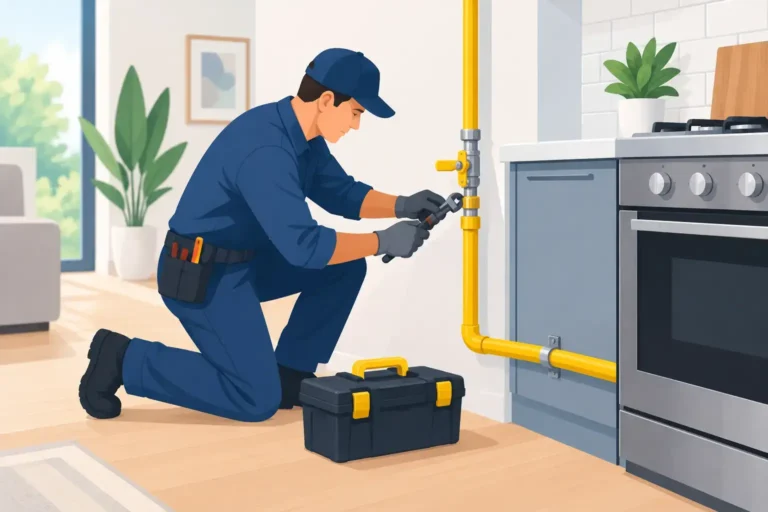

A gas line installation for a home is not a project to treat like a simple appliance hookup. Whether you are adding a gas range, replacing an aging furnace, installing a standby generator, or building an addition, the line must deliver the right amount of fuel at the right pressure without creating a leak or combustion hazard. For homeowners in Yankton, Vermillion, and surrounding southeastern South Dakota communities, professional planning protects both the property and the people who live there.
Natural gas and propane are dependable fuel sources when their systems are installed correctly. When work is rushed, undersized, or improperly tested, the consequences can range from appliances that will not run properly to dangerous gas leaks and carbon monoxide concerns. A qualified plumbing and HVAC team handles the details behind the walls, below the floor, and at each appliance connection so you can use your equipment with confidence.
Why home gas line installation needs careful planning
Every gas appliance has a specific fuel demand. A gas water heater may need relatively modest capacity, while a furnace, boiler, fireplace, range, clothes dryer, pool heater, or generator can substantially increase the total load on the system. Adding one appliance without reviewing the full gas line can leave the new equipment short on fuel, especially when several appliances operate at once.
Proper sizing is about more than the diameter of one pipe. A technician considers the type of fuel, gas pressure, pipe material, total appliance demand, the length of the run, the number of fittings, and the existing system capacity. A long route through a basement, crawl space, or attic may require a different approach than a short run from the meter to a kitchen range.
This is also why an appliance that seems to work at first may still have an underlying problem. Low gas pressure can cause poor burner performance, delayed ignition, nuisance shutdowns, or inefficient operation. The right installation starts with calculations and a site assessment, not an assumption that the nearest pipe can support another connection.
What a professional gas line installation includes
A safe gas line installation at home begins with understanding the purpose of the new line and inspecting the current equipment. The technician identifies where the appliance will sit, where the gas source is located, and how the line can be routed while remaining accessible and protected.
The project may include a new branch line from the main gas supply, approved shutoff valves, appliance connectors where appropriate, sediment traps, pipe supports, and protective measures where piping passes through framing or exposed areas. The exact materials and configuration depend on the property, local requirements, appliance manufacturer instructions, and whether the system uses natural gas or propane.
Permits and inspections are often part of the job. Requirements can vary by municipality and project scope, particularly for new construction, major remodels, generators, and new appliances. A professional contractor can explain what applies to your home and make sure the work is completed in a way that supports inspection approval and long-term serviceability.
The testing step is not optional
Once piping is installed, it must be tested before it is put into service. This process checks that the system holds pressure and that connections are secure. After the gas is introduced, technicians check fittings and valves for leaks using approved methods, then verify proper appliance operation.
For combustion appliances, the final check should go beyond confirming that the unit turns on. Furnaces, boilers, water heaters, and other fuel-burning equipment need correct combustion, venting, and safety control operation. Carbon monoxide testing and a review of vent connections are particularly valuable when a new appliance is being installed or an existing system is being modified.
Common reasons homeowners add a gas line
Many gas line projects are planned upgrades, but some begin when an old appliance fails and replacement options require changes to the fuel supply. A new gas range can offer precise cooking control, while a gas dryer may shorten dry times. High-efficiency furnaces and boilers, tankless water heaters, fireplaces, garage heaters, and standby generators are other common reasons to expand a residential gas system.
The best option depends on your home and goals. For example, a standby generator can provide valuable backup power during an outage, but it needs enough fuel capacity to support its intended electrical load. A tankless water heater can save space and provide long-duration hot water, but its gas demand may be much higher than that of the tank-style heater it replaces. Those trade-offs should be reviewed before equipment is selected and installed.
In older homes, a gas line project may also uncover aging valves, unsupported piping, corrosion, or previous alterations that no longer meet current expectations. Addressing those issues while the system is accessible can prevent a more disruptive repair later.
Signs your existing gas piping should be inspected
Do not wait for a major renovation if you suspect a gas issue. A sulfur-like or rotten-egg odor near a gas line, appliance, meter, or outdoor regulator requires immediate action. Leave the area, avoid flames, sparks, electrical switches, and vehicles nearby, and contact the gas utility or emergency services from a safe location. Do not try to locate or repair the leak yourself.
Other concerns may be less urgent but still deserve professional attention. These include yellow or irregular burner flames, repeated appliance ignition failures, soot around a fuel-burning appliance, an unexplained increase in gas use, or a gas shutoff valve that is difficult to access or operate. A properly maintained carbon monoxide alarm adds another layer of protection, but it does not replace inspection and correct installation.
If you are remodeling a kitchen, finishing a basement, or planning an addition, have the gas piping evaluated early. Coordinating the work before walls and ceilings are closed usually provides more routing options and can reduce avoidable rework.
How to prepare for a home gas line project
Before scheduling an estimate, make a note of the appliance you plan to install, its fuel type, and its manufacturer specifications if available. Think through where you want it located and whether other upgrades may be coming soon. If you expect to add a generator or replace a furnace within the next few years, mentioning that early can help avoid sizing a line that is too limited for future needs.
Clear access to the mechanical room, utility area, basement, crawl space entry, or appliance location helps the assessment move quickly. If the gas meter is outdoors, make sure the technician can reach it safely. For landlords and property managers, it is also helpful to coordinate access with occupants and identify any building rules that affect scheduling or shutoffs.
Ask direct questions about the scope of work, permitting, testing, how the piping will be routed, and what the project includes once installation is complete. Honest answers make it easier to compare options and understand where spending a little more now may prevent limitations later.
Choose qualified help before the line goes live
Gas work calls for technical skill, the right tools, and a careful final verification. It is not the place for a shortcut, an unlicensed connection, or a do-it-yourself repair behind a finished wall. The same is true when a furnace, water heater, boiler, or range is being replaced: the new appliance should be matched to a gas supply that can support it safely.
Larry’s Plumbing, Heating and Cooling provides gas line installation and appliance-related plumbing and HVAC support with clear explanations of the work involved. If you are planning an upgrade, dealing with questionable piping, or need help after an appliance issue, a professional assessment can turn uncertainty into a clear path forward.
A well-installed gas line stays mostly out of sight, which is exactly the point. It should quietly supply dependable fuel, support your equipment through South Dakota weather, and give your household one less thing to worry about.