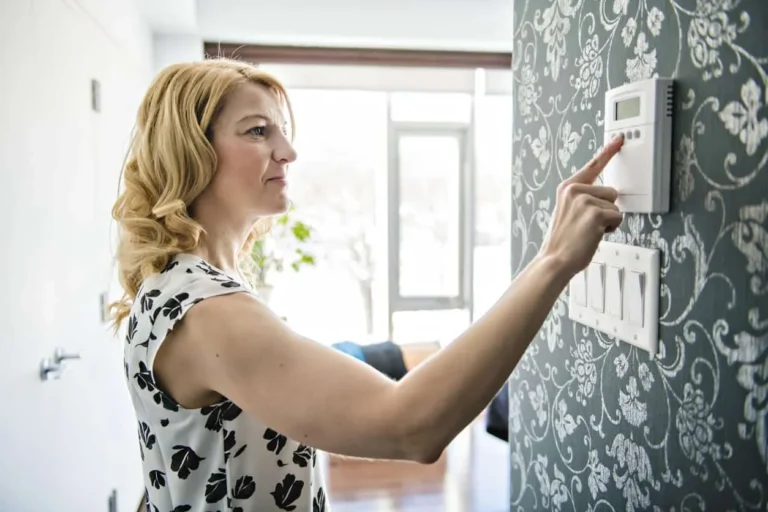
What’s the Best Temperature to Set Your Thermostat to in Summer?
When summer arrives, most of us look to our air conditioning to keep us cool. However, what is the best temperature setting for your thermostat during this period? Maintaining the balance between finance and family comfort requires a delicate touch.
Luckily, you can work through the different variables to save money while staying comfortable in your home. Today, we review some tips and guidelines on the best temperature to set your thermostat in summer. Also included are preventive measures for energy conservation and answers to all questions you might have.
What Is the Best Thermostat Temperature Setting in the Summer?
According to the U.S Department of Energy, 78° is the recommended air-conditioner temperature setting during the daytime. However, 82° is considered best for nighttime in summer. It might seem a little toasty, but it is the right setting for energy efficiency during this period. For deep sleepers, the National Sleep Foundation recommends between 66° and 72°.
Our Recommended Thermostat Setting During Summer
When at home, keep the AC temperature at 76° during the day. Those used to a thermostat setting of 72° might find it a bit hot, but you will soon adapt. It will help if you increase the temperature by 1 degree every day to give your family a chance to acclimate to higher temperatures.
When away from home, keep the AC temperature at 80°. You will save a lot of money on electricity bills without compromising the integrity of your home. Although it seems tempting, do not shut off you’re AC when you leave for your vacation. Doing this is counter-productive because you will spend a fortune to cool down your home later. Completely turning off you’re AC also increases the chances of mildew and mold growth.
When sleeping, keep the AC temperature at 72°. It is the maximum recommended thermostat setting by the National Sleep Foundation. However, you can always turn on the ceiling fan if you find it too warm.
Reduce the Workload by Getting a Programmable Thermostat
If you want to manage your thermostat effectively, we recommend installing a programmable thermostat. Most people forget to adjust the temperature settings when they enter or leave the room. Fortunately, a programmable or smart thermostat takes care of everything for you.
Wi-Fi models give you more flexibility by offering remote control. You also get to set different temperatures depending on several factors — when the home is empty, time of day, and when you are home. Interestingly, you can also automate your AC to start cooling down about 30 minutes before you get home, which is perfect for those unbearably hot days.
Tips to Keep Your Home Cool During the Summer
Several tactics can help you stay cool during this period without interfering with the above settings. Here is a comprehensive look at how you can maintain a comfortable and fresh home all summer long:
- Start with replacing old cooling units with modern energy-efficient models.
- Limit the use of heat-generating appliances, like the stove and oven, until after 8 pm. It will also help if you can grill outdoors whenever possible.
- Keep your home sealed by replacing old caulk and weatherstripping around windows and doors.
- Consider window treatments to prevent heat from penetrating your home. These also help block sunlight, thus keeping your home cool.
- Increase cooling efficiency in your home by installing ceiling fans.
Let Our Technicians Help You Keep Cool During Summer
It will help if you make sure your AC unit is running appropriately during the summer. Regular servicing such as changing the air filter and inspecting your ductwork for leaks become essential. At Larry’s Heating & Cooling, we are a family-owned business that understands the need for a comfortable and fresh home during the summer. Get your home summer-ready —schedule an appointment with our AC company in Yankton, SD today! We also serve those in Vermillion and other nearby communities.
When the temperature drops, we turn up the heat to stay comfortable. Most people prefer their homes somewhere between 65 and 75 degrees F depending on your personal body temperature and the temperatures you’re accustomed to. However, wintertime is also often associated with higher power bills because you want that heat going constantly to ward off the outdoor chill.
When the weather drops below freezing, your heater is working overtime to keep the house comfortable and safe for your family. This leaves many of us with the common question of where to set your thermostat in the winter.
Is there a best — or recommended — thermostat temperature? What is the perfect balance between comfort and saving on the power bill?
You can find that happy medium between warmth and cost. All you need is to understand your current winter climate. And remember to adjust your thermostat at key times during the day.
65 Degrees is (Nearly) the Perfect Temp
When setting your heater in the winter, avoid setting it too high above 70. Keeping the house balmy can cost a fortune in power bills. Instead, turn down that thermostat to somewhere between 60 degrees and 70 degrees F. For most people, 60 is a chilly sweater-friendly temperature, while going over 70 can get a little toasty.
The most efficient setting for your thermostat is around 65 degrees in the winter when temperatures outside have dropped to 50 or below. In fact, the closer your thermostat is to the outside temperature (while still in this comfort range), the less your heating costs will be.
Health Considerations for Household Members
Of course, this rule of thumb should be adapted for temperature-sensitive household members. If you have an infant or an ill family member who needs the house a little warmer, adjust as much as five degrees upward. This is to ensure they are safe when inside the house. However, if your temperature-sensitive family member has a private heater in a closed room or has left the house for somewhere else that is warm, then crank that thermostat back down to the coolest comfortable temp for the rest of the family. This way, you keep your family safe and minimize the resulting cost of heating.
Match Your Thermostat to the Climate When Possible
When you can, try to match the weather. When the weather is the coldest, let yourself adapt a little to the chill and set your temperature closer to 60 than 70. This is just the same as setting your air conditioner to 75 when temperatures skyrocket in the middle of summer. By matching the weather within your comfort zone, you can reduce the cost of heating (and cooling) based on the season.
Know When to Cool It Down
Some times of the day, you don’t need optimal heating in the house. If everyone leaves for work and school, set that thermostat down closer to the actual temperature outside. Your minimum before the pipes freeze is about 42. But you’re using very little power to heat a home even in the dead of winter when set down to the low 50s during times of inactivity. A programmable thermostat can turn your predictable schedule into energy savings.
When you go to bed is another good time to turn down the thermostat. And let the temperature get a little cooler. After all, winter is for snuggling into bed under your fluffiest blankets. In fact, sleeping under warm covers in a cold room is one of the best ways to achieve deep and restful sleep. Let the house cool down at night and the whole family will sleep better, provided you have the right blankets.
Embrace Wearing Sweaters at Home
Adapt to the weather. Some families like to keep the house at the exact same temperature all year long. And see a power bill to match. But if you practice adapting to the seasonal weather, you can save a real bundle by never setting the thermostat too far from the real temperature outside.
During the winter, embrace the sweater trend. Show your best thick sweaters and woolly socks indoors instead of stripping down to a T-shirt once you get home. This will make it much easier to set your thermostat closer to 60 than 70 and still be comfortable. You might even find yourself comfortable down at 55 with the right warm-yet-comfortable winter clothes.
The Best Thermostat Temperature in the Winter
The best temperature for your home thermostat will depend on the weather and your family’s temperature needs. Try to get as close to the outside temp as you can while still remaining comfortable in a sweater and remember to turn down the heat when you leave or sleep. With these methods, you’ll see your winter power bills drop and enjoy your home heating with satisfaction.
Home heater running inefficiently even with your careful thermostat work? We can help. Contact us today for more home heating insights. Or to schedule a maintenance repair to improve the performance of your heater this winter. Our heating and cooling company proudly serves those in Yankton, Vermillion, and the surrounding SD communities.
How Your Home Heat Works on the Inside
A home heater runs air across heating elements to warm up the air before circulating it through your home. A central heating unit uses your HVAC intake to pull filtered air into the unit, run it past the elements, and then blow it out through your ducts and vents. A smaller unit for heating one room or area works similarly, but on a smaller scale. This means that when you fire up the heater, those elements get hot and the blowers get started churning air. But whatever is on the elements is going to scorch when they get hot — mainly, dust.Where the Burning Smell Comes From
When your heater is running, air blows over the elements and keeps things moving. But when the heat is turned off for warmer months, any small flecks of dust that made it inside the unit can settle onto the heating elements. You know how dust forms and you know that over a few months. It can make a light blanket on anything, even with that air filter at the intake. When the heater gets hot for the first time in a long time, that dust is going to burn off. That is where the scorching smell comes from. Eventually, all the dust that had settled on the elements is burned by the elements or blown away by the now-cycling air circulation, and the burning smell stops. After this, the constantly moving air will stop dust from settling on the elements until your heater is switched off again for a long duration.How to Prevent the Burning Smell Next Year
Is that burning smell when you turn on the heater normal? Yes. Assured there is nothing wrong? Just fire up your heater like normal each year and wait for the scorchy smell to abate. But if you hate that smell and don’t want to smell it again, you have that option. The first thing you can do is use high-quality air filters and change them every 3 months, especially during winter. This will significantly reduce the amount of dust that can and will build up on your heater elements. If there is already dust on your elements, you can call for an HVAC technician to open the unit and clean the elements before you fire up your heater for the year. The last thing you can do is have your ducts cleaned once a year to reduce the amount of dust capable of building up and releasing inside your home and, eventually, inside your heater.When the Burning Smell Isn’t Normal for Your Home Heat
Lastly, it’s important to know when that burning smell from your home heat is not the usual dust burn-off. If the odor smells like hot metal instead of burning dust, be on alert; likewise, if it smells like burning plastic. If the smell doesn’t go away within the first hour or two, this could be a sign that the wiring or elements inside your heater have gone haywire or that a broken piece of the heater has fallen onto the elements. Switch off your heater and call for a heating repair service immediately to ensure your home and family are safe.Contact Our HVAC Company in Yankton, SD Today!
Whether you’d like a pre-heater service to avoid the burning smell or an HVAC check-in to check that the smell is safe, we’re here to help. Contact us today for the trustworthy and helpful local HVAC services your home needs. Our HVAC company serves homeowners and businesses throughout the area, including Yankton, Vermillion, and the surrounding communities in SD.DIY AC Maintenance Calendar
- January
- Change the air filter
- Clear snow from the outdoor unit
- February
- Clear snow from the outdoor unit
- March
- Clear snow as well as plant growth from the outdoor unit
- April
- Change the air filter
- Schedule an AC inspection and maintenance
- Schedule spring-cleaning for HVAC ducts
- Clear plant growth from the outdoor unit
- May
- Clear and clean outdoor unit
- June
- Clear and clean the outdoor unit
- July
- Change the air filter
- Clear and clean the outdoor unit
- August
- Clear leaves and plants from the outdoor unit
- September
- Schedule a heater inspection and maintenance
- Clear leaves from the outdoor unit
- October
- Change the air filter
- Clear leaves from the outdoor unit
- November
- Clear leaves as well as snow from the outdoor unit
- December
- Clear snow from the outdoor unit
Monthly AC Maintenance Check
Most good maintenance schedules involve a monthly check-in with the system as well as exposed components. Your monthly check should focus on the outdoor cooling unit which is the most exposed to debris and interference.Listen to Your HVAC
Take regular note of the sounds as well as the behavior of your HVAC. Keep an eye out for warning signs like grinding or banging noises, constant cycling, as well as unusually high bills.Maintain the Outdoor Unit
- Check for blockage as well as iced lines
- Clear away leaves and debris
- Trim back close shrubs
Quarterly Maintenance — Every 3 Months
Change the HVAC Filter
Most air filters need to be changed every three months, so four times a year. This creates your quarterly maintenance schedule to change your air filter. You can find the air filter behind the intake vent inside your house, usually next to or part of the AC unit. It’s important to change your filter because a clogged filter results in higher power bills as well as lower air quality in your home.Inspect and Wipe the Condenser Coils
If you’re confident to open the unit with a screwdriver, take a look inside your AC when you change the filter. If there is a lot of dust on the coils, gently wipe it out with a brush or towel to improve your AC’s performance.Every Spring Before the Heat Wave
Each year you cycle between heating and cooling. When you fire up the AC, you want that cold air to be available immediately. The first heatwave is a bad time to discover your AC is on the fritz, so schedule a spring tune-up and also address any spring cleaning concerns with your HVAC system.Have Your AC Inspected and Maintained
Call for an inspection as well as maintenance in early spring before your AC becomes necessary for comfort inside the home. Ideally, before the first year wave of the year. Your technician will ensure your AC is in good condition, clean the coils, and replace any worn-out parts before they become a problem.Duct Spring Cleaning
Your springtime HVAC maintenance is also a good time to schedule a duct cleaning. Remove old dust as well as allergens that have been lodged in your air ducts before powerful blasts of AC blow this extra dust back into your home.Every Autumn Before the Cold Snap
Just like you want to beat the first heatwave, you also want HVAC maintenance before the first cold snap to ensure your heat is in good condition and ready to go.Have Your Heater Inspected and Maintained
Call for an inspection as well as maintenance of your HVAC in September or October before your region’s first cold snap and your heater switches on. Your technician will clean the unit and make sure that the heating coils, boiler, or furnace come on safely at full-strength. Any repairs needed will be taken care of before problems can occur and your winter of comfortable home heating will be assured. Handling your AC the DIY way can keep your HVAC unit in excellent condition all year long, and many years into the future. If your attentive care reveals a serious maintenance concern or if you’re ready for an HVAC inspection as well as a maintenance tune-up, contct us today! Larry’s Heating and Cooling is a locally owned and operated family business, and we’re eager to help local residents stay safely comfortable with the HVAC services you need.Your home’s HVAC system is vital to your family’s comfort year-round. In the colder months, your furnace works hard to keep your home warm and cozy. During the summer, the air conditioner takes over to keep you cool. Because it works so hard for your family, you need to take good care of it. With regular air conditioner and heater maintenance, you can count on your Yankton, South Dakota HVAC system to last longer, but that’s just one of the benefits.
What Is HVAC Maintenance?
It’s basically a thorough inspection of your HVAC system and its components. Generally, such an inspection will take roughly an hour and will cover both the exterior and interior parts of the system. You can expect the technician to change the air filters, check the electrical connections, test the fuel lines, clean the evaporator and condenser coils, and lube the moving parts. They’ll also make any necessary repairs or replace parts that are potentially problematic during the maintenance visit.
So, What Are the Benefits of HVAC Maintenance?
We understand that you may not be convinced that HVAC maintenance is necessary, but it is. In fact, there are seven distinct benefits that you should be aware of.
Longer HVAC Life
On average, home HVAC systems last between 15 and 20 years. That’s if they’re properly maintained by a licensed HVAC professional at least annually. A neglected HVAC system may last 10 years or less and it will experience more problems during its short life.
Increased System Reliability
Although HVAC systems are meant to operate on a near-constant basis, that doesn’t mean they’re always reliable. If your system hasn’t been properly maintained, the furnace may not want to start on the first cold night of the season. Properly maintained HVAC systems provide uninterrupted comfort and more reliable service.
Fewer Unexpected Repairs
If your HVAC system breaks down, it’s a serious emergency. Without air conditioning in the summer, heat can build up, making it dangerous to stay inside. Winter’s cold makes it impossible to stay warm if the heater quits working. A well-maintained HVAC system won’t leave you in the lurch without heat or air. You won’t have to worry about struggling to stay warm or cool enough and you’ll know your family won’t suffer.
More Efficient Operation
Having your HVAC system maintained by a professional helps ensure that it operates at peak efficiency. That means it doesn’t use more energy than it needs to produce the same effects. It also means that you won’t see huge spikes or unexpected increases in your utility bills.
Improved Air Quality
Dust, pet dander, and other impurities in your indoor air can cause allergic reactions, worsen respiratory ailments, and generally make you feel bad. When your technician maintains your HVAC system, they’ll change the filters and remove the debris so you can breathe easier.
Validates Your HVAC Warranty
HVAC manufacturers warranty their systems; however, in order for your warranty to be valid, you may need to have regular, professional HVAC maintenance. If you’re having a new system installed, it’s best to start a maintenance plan right away. Otherwise, you may miss out on important warranty benefits.
Improved Comfort
Perhaps the most important benefit of having your home’s HVAC system professionally maintained is your family’s comfort. When you know that you can adjust the thermostat up or down and that the system will respond, it’s a great feeling. Knowing your family is comfortable, no matter the weather, provides priceless peace of mind.
Schedule Heater Maintenance in Yankton, SD Today
You and your family rely on your HVAC system and it relies on you to make sure it’s running right. You can rely on us. We’re licensed HVAC professionals who understand the importance of regular air conditioner and heater maintenance. You can rest assured that our technicians are all background checked and that we follow all the necessary protocols to keep you and your family safe. To schedule a heater maintenance appointment in Yankton, SD, and the surrounding areas, contact us today.
As a homeowner, you’ll eventually come to a point where you have to consider what to do with your HVAC system. When problems crop up, especially in the wintertime, how do you know when to repair or replace it? When it comes to heater replacement for homeowners in Yankton, SD, determining the answer can be easier said than done. Is this the year you need a new HVAC system, or can it wait? Is that noise new or normal? Should you replace the unit instead? The questions are endless and the whole situation can become overwhelming when you don’t know what to do!
Winter is just around the corner, and now is a good time to evaluate your home’s HVAC system to make sure everything is working before the temperatures dip. Today, we’re going to break down everything you need to know about when to replace vs. repair your HVAC system.
Do You Need Heater Replacement or Repair?
Deciding whether to repair or replace your HVAC system depends on the type (and frequency) of issues you’re experiencing.
When to Repair the Unit
While there’s no one-size-fits-all answer, here are a few guidelines that indicate your system is a good candidate for repair:
- Your system seems safe.
- Your home is cool and comfortable.
- The system still operates efficiently.
- The repairs are infrequent and minor.
- The system is less than 10 years old.
- You’ve performed regular maintenance.
While none of these things protect you entirely from replacing your unit, they’re all good indicators that your system is modern, efficient, and will respond well to repair so you can prolong the life of your unit.
When to Replace the Unit
If you recognize the following symptoms, it might be time for replacement:
- Your system is more than 10 years old. The average lifespan of an HVAC unit is about 10-15 years. If your system is older than that, it’ll likely cost you more money to make continued repairs rather than just replace it with an updated model.
- Your system is unsafe. If there’s any indication that your system is dangerous, replacement is essential. Over time, severe HVAC malfunctions can lead to potentially deadly consequences, including fire hazards and carbon monoxide poisoning.
- You’re making constant repairs. If you’re having your HVAC unit repaired all the time, you may be putting a band-aid on a bullet wound. Save yourself some money (and a few headaches) by replacing the unit instead. Then, you can enjoy a new unit that works rather than pour money into an old unit that will keep breaking down. Sometimes, repairs just aren’t worth the hassle and short-term benefits.
- You haven’t performed routine maintenance (or you just moved in). If the system hasn’t been well-maintained, or you don’t know anything about its history, have it inspected — at the very least. An HVAC expert will be able to tell you whether the system just needs a little maintenance, or whether it’s time for a full replacement.
HVAC System Replacement Cost
Your HVAC system is going to cost you. Fortunately, a new, efficient system can also save you (hundreds of dollars annually)! If you’re looking to replace your HVAC system before winter sets in, you can expect to pay up to $10,000, although that number can vary — going up or down — depending on your needs.
If you don’t have that cash floating around, ask your HVAC tech whether they offer in-house financing. Financing is a great way to bridge the gap between the money you have on-hand and the HVAC services you need. Plus, interest rates are generally lower than what you’d find on a personal loan or credit card offer, so you won’t have to worry about too many extra fees on top of the initial cost.
AC & Heater Replacement in Yankton, SD
For local homeowners, our team is standing by to help you get back to comfort in your home. Whether you need a quick fix with a repair of a new HVAC system installation, we can help. Larry’s Heating & Cooling has been in business since 1982, and we know a thing or two about providing high-quality HVAC services those in our community can count on! Winter is just around the corner, and we want to help you stay warm, comfortable, and safe all season long. If you need your HVAC system serviced, schedule an appointment with our team today! We can quickly restore comfort with AC and heater replacement for those in Yankton, Vermillion, and the surrounding SD communities.
Your AC unit works hard to keep your home and everyone in it happy, comfortable, and cool all summer long. But how long do AC systems last, and how will you know when it’s time for AC repair or replacement? No one wants to be caught off guard by the big expense of replacing their AC unit. To give you an idea of when it may be time, here are a few surefire signs you can look out for.
AC Repair & Replacement for Your Unit
1. Your unit is old.
Like most mechanical items, AC units don’t last forever. In fact, most air conditioners only last about 15-20 years. If your unit is older than this or is getting close to that 15-year mark, it may be time to consider replacing it. At this point, repairs aren’t the best option, since you’ll likely have to replace the unit in a few years anyway.
Another way to gauge whether your unit is past its prime? Use the 5,000 rule: Take the age of the equipment and multiply it by the repair cost. If the number you wind up with is more than 5,000, it’s time to look into a replacement unit.
2. Your unit isn’t efficient any longer.
Thanks to recent advances in HVAC technology, today’s air conditioning units are much more efficient than their older counterparts. Because of this, Energy Star recommends replacing your unit with a more energy-efficient model if your current unit is a decade old or older.
Not sure the cost is worth it?
The US Department of Energy estimates that people who replace ten-year-old AC units will save an average of 20-40% on their home cooling costs. Since air conditioners use about 5% of all the electricity produced in the US, this represents considerable savings that make the initial replacement cost well-worth it!
3. Your unit isn’t working well.
If your unit is experiencing significant issues, like substantial bills or skyrocketing energy costs, repair is worth some serious consideration. Not only will you likely save money in the long run, but you’ll have all summer to enjoy that fresh “new AC unit” feeling once you get AC repair completed.
What Else to Watch For
In addition to the “big three” listed above, here are some other danger signs to watch for in your AC unit:
- Increased run time
- Lack of regular maintenance
- Repeated or frequent repair needs
- Pilot light that doesn’t catch or is unreliable
- Loud noises during operation, including blower humming, noise from the outdoor unit, or groaning and banging from the furnace
While these things may seem like small inconveniences, they can create a significant issue in no time. Contact your local AC company for a comprehensive system evaluation if you’ve noticed any of the warning signs above. Acting quickly may save you time, money, and major headaches as a homeowner.
AC Replacement & AC Repair in Yankton, SD
If you’re struggling with your AC unit, our team can come out and make a few simple repairs. Or if you’re ready to jump into a new unit altogether, we can help with that, too. At Larry’s Heating & Cooling, we’re proud of the reputation we’ve built, and we believe the quality of our work speaks for itself. We want you to feel comfortable year-round, and we’re here to help you get there. For AC replacement and AC repair in Yankton, Vermillion, or a surrounding SD community, get in touch! Schedule an appointment with our team today to get started. Worried about the cost? Apply for financing in just a few quick clicks.
If you’re in the market for AC repair for your home or business, finding a reliable contractor is the first hurdle you have to jump. Unfortunately, that can sometimes be easier said than done. Unless you’ve worked with an AC contractor in the past that you can immediately call on, then knowing who to trust and which services you really need can be challenging.
No one wants to get scammed when it comes to servicing their heating and cooling system. The good news is that it’s absolutely possible to find a skilled, reliable, trustworthy contractor in Yankton, SD to help you complete your AC repair. You just have to know what to look for!
5 Tips to Find the Best AC Contractor
Whether you need help for a significant repair or small service call, these tips will help you find the right professional for the job.
1. Great reviews
Any time you’re looking for a service professional, prior customer reviews speak volumes. With this in mind, be sure to read the online reviews of the contractor you’re thinking about hiring. Skilled HVAC professionals should have a solid track record of happy customer reviews that can be found everywhere from Google to Facebook. Be wary of any contractor that doesn’t have any reviews, or has more than the occasional negative review — there’s probably a reason for it.
2. Safety emphasis
While the HVAC industry may not seem particularly high risk, there are safety considerations that qualified contractors must take into account. As you look for a contractor to work with, pay attention to licensing and safety regulations. The ideal contractor will have all of your state’s required certifications and licenses, as well as their own insurance coverage for additional coverage. Don’t be afraid to ask for copies of these documents, either. If they have them, they’ll be happy to provide them to you.
3. Personability
Although your HVAC contractor is a service person, they’re still a person, and you should enjoy working with them. Before you hire anyone, make sure you find a contractor that you feel comfortable asking questions, having in your home, and being around your family. You don’t need to be best friends with your contractor, but you should feel safe and at ease in their presence. As an added bonus, you can build a rapport with this person and call on them any time you have an issue, which means peace of mind in the future should something go wrong.
4. Reasonable bid
Before you hire an HVAC service contractor, be sure to ask for a quote. This is a great way to plan the expense and gain a deeper glimpse into how your contractor does business. Although no two bids will be the same, your contractor’s bid should be relatively similar to the bids you’ve received from other contractors (and if you haven’t gotten more than one bid, make sure that you do). Any bid that is excessively high — or low! — is a red flag.
5. Professional contract
Last but not least, your contractor should present a professional, legally binding contract. Before work starts, this contract protects both you and the contractor and ensures that everyone is on the same page regarding start dates, scope of work, and pricing. If an HVAC contractor is willing to start work without a contract, that isn’t a good sign, and you should be cautious about moving forward with them.
Finding the Right AC Repair Contractor, Made Simple
As a homeowner or business owner, it can be a huge relief when you finally find an HVAC contractor you can trust to get the job done right. Not only does it put your mind at ease about the quality of work being performed in your home, but it’s a good way to start a lasting relationship with a tech who will serve your family for years to come. To get started with AC repair in Yankton, SD, contact our team today!
Owning a home comes with lots of responsibilities. Not only do you have to pay your bills on time every month, but there’s the maintenance to consider. Between painting the siding, staining the deck, changing those pesky light bulbs, and daily cleaning, it seems like a tall order.
With all that on your plate, it’s easy to overlook the importance of HVAC maintenance. If you’re like most homeowners, you don’t think much about your HVAC system. It’s there, working well for you every day, until it suddenly isn’t. Fortunately, you can cut down on unnecessary, costly repairs with a little proactive maintenance.
Here’s what you need to know.
Avoiding Common HVAC Problems for Your Yankton Home
HVAC systems work hard, and while we rely on them every day, they still — and eventually will — break down just like anything else. While a skilled AC company can help you resolve any issues you might face, an ounce of prevention is worth a pound of cure.
To make sure you’re informed, here are a few of the most common HVAC problems that affect systems, and our top tips for how to avoid them:
Leaking
HVAC systems rely on a complex network of connectors and drain lines. Over time, these lines can develop leaks, which damages the efficiency of the system and can lead to problematic moisture pooling in and around your home.
Left untreated, leaking can require you to replace your whole system. With this in mind, keep an eye on your HVAC system. Any pooling water or moisture around the system is cause for concern. To prevent interference that could cause leaking, remove any branches, shrubs, or other organic material that could harm your system, and inspect the area around your unit regularly.
Corrosion
Corrosion isn’t something most people associate with HVAC systems. The reality is, though, it happens. The culprit here is moisture.
Whenever you combine electrical wiring with moisture, corrosion is the realistic outcome. If corrosion starts to take over your HVAC system, the unit may begin to turn off and on by itself. It will also become less efficient and, in the worst-case scenario, may put you at risk of shock and fire.
To avoid corrosion, have your system regularly inspected by a qualified HVAC technician. They’ll be able to identify any moisture problems and resolve the issue before it leads to corrosion and other problems that stem from it.
Dirty Components
To work correctly, the various components of your HVAC system need to be clean, and this includes everything from the filters to the electrical panel. When these elements get dirty, the system has to work harder than normal, and things like your indoor air quality (which can affect your health) will suffer. To avoid a dirty HVAC system, have your air filters and connecting components cleaned regularly by an AC company. It might seem like a hassle or unnecessary expense, but it’s one that can save you more time and money down the road. Plus, you can’t put a price on your health.
Professional Care for Your HVAC System
We know how hard it can be to find the time to take care of your heating and cooling system on a consistent basis, and our team is happy to make things a little easier with our services. At Larry’s Heating and Cooling, we help those in the local area keep their HVAC systems in great shape all year long.
With summer just around the corner, call on our techs to inspect, repair, or maintain your air conditioning unit so you can keep your home — and your family — cool and comfortable this season. Contact our AC company in Yankton, SD today to learn more or schedule an appointment!
Like allergies, HVAC systems are seasonal. When the weather gets chilly, you crank up the heat. When it warms back up, you turn on the air conditioning. What you might not realize, though, is that all that heating and cooling throughout the year could be aggravating your allergies.
This is something we see all the time in our work as a heating and air company in Yankton, SD. Families struggle to get their allergies in check without knowing that they can be improved with a little knowledge about their HVAC system. We’re here to share everything we know about allergies and HVAC systems so you can find some relief.
Why Do Allergies Get Worse in the Fall?
The fall isn’t a season people typically associate with allergies. If you’re like so many homeowners, though, you’ve noticed that year after year, you start coughing and sneezing the moment you turn your system on for the first time in the fall. Why is this? The answer is simple: debris buildup.
Here’s what happens.
All summer long, your heating ducts sit idle. While you’re enjoying wonderful weather for the few months you can, your heating ducts are accumulating dust, pollen, and other allergens. Then, when you turn the system on for the first time in the fall, all these things break loose and make their way into the air of your home, wreaking havoc on your allergies.
Fortunately, there’s a simple solution.
Instead of allowing your ducts to become nature’s dumping ground, have your ducts cleaned annually, right before you turn your system on in the fall. Clean air is incredibly important for those who have allergies, and this annual cleaning will do a deep dive into your ducts, getting rid of backed up dust and mold particles, making your household’s air fresh and clean all season long.
What About HEPA Filters?
There’s a lot of buzz about HEPA filters and their ability to strip pollutants from the air. In this case, the hype is right on the money. In fact, HEPA filters can remove up to 90% of particulate matter from the air, which means they’re much more effective than standard household filters at keeping your air clean.
Just like any other filter, though, HEPA filters require regular cleaning. Without this, the filter’s fibers get saturated, which interrupts the airflow and makes it impossible for the filter to scrub any more irritants from the air. So stock up on your HEPA filters, and make sure you note somewhere when it’s time to change them.
Allergy-Proof Your System This Year
When the weather starts to cool down, you might not be thinking about running your AC system. What you might not realize, though, is that your AC actually plays a large part in your home’s air quality.
Here’s why.
Air conditioning ventilates the home, pulling fresh air from outside and cooling it with the compressor. The system then pumps the cooled air into the home, simultaneously pumping stale air out. This process circulates air, keeping the air in your house from being stale and removing allergens that might be hanging around.
The lesson? Run your AC every once in a while, even when your home isn’t warm enough to necessitate full-time use. It’ll keep your indoor air fresh, clean, and allergy-free.
HVAC Services You Can Count On, Even During Allergy Season
While you can’t improve your allergies overnight, you should be able to find some relief through duct cleaning, HEPA filters, and the occasional run of your AC. Need to hire a heating and air company in Yankton, SD? We’re here for you. To learn more or schedule an appointment, contact our team today!