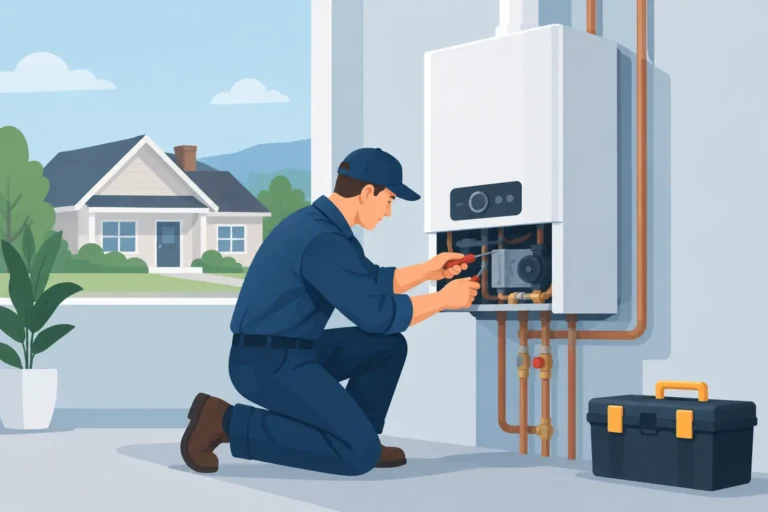

A boiler that quits on a Vermillion winter night is more than an inconvenience. As indoor temperatures fall, pipes can freeze, living spaces become unsafe, and a small mechanical problem can quickly become a property-damage problem. When you need boiler repair Vermillion SD homeowners can depend on, timely diagnosis matters just as much as getting the heat back on.
Boilers are durable systems, and many serve a home reliably for years. But they operate with hot water, pressure, electricity, and often natural gas or fuel oil. A repair should address the reason for the failure, not simply reset the unit and hope it holds through the next cold snap.
When a Boiler Problem Needs Immediate Attention
Some warning signs can wait for a scheduled service visit, especially if the boiler is still heating consistently and there are no safety concerns. Others require a prompt call. Shut the system down if you smell gas, see active water leaking near electrical components, notice smoke, or suspect carbon monoxide. Leave the area and contact the appropriate emergency services if there is a gas odor or a carbon monoxide alarm.
Call for emergency boiler service when you have no heat during cold weather, especially if vulnerable family members, tenants, or employees are in the building. The same is true when a boiler leak is spreading, system pressure is unusually high, or radiators and baseboards suddenly stop heating throughout the property.
Watch for these other signs that a repair is likely needed:
- Banging, whistling, rumbling, or repeated clicking during operation
- Water collecting below the boiler, around valves, or near piping connections
- A pressure gauge that stays too low, climbs too high, or changes sharply
- Rooms that heat unevenly even though the thermostat is set correctly
- Higher heating bills without a clear change in weather or building use
A boiler may also cycle on and off repeatedly, take much longer to heat the building, or lock out and require frequent resetting. Resetting can restore heat temporarily, but it does not correct a failing ignition component, circulation problem, venting issue, control fault, or combustion concern.
Boiler Repair in Vermillion SD Starts With Diagnosis
A dependable repair begins with a full look at the system. The cause of a cold room may be in the boiler, but it can also be related to the thermostat, circulating pump, zone valve, expansion tank, air trapped in hydronic piping, or a control issue. Replacing parts before identifying the source wastes time and can leave the original problem behind.
A trained technician should inspect the boiler’s operating sequence, verify thermostat and control signals, check water pressure and temperature, and look for leaks or corrosion. On gas-fired equipment, the work may include checking ignition, burners, venting, gas pressure, flame operation, and carbon monoxide levels. The exact diagnostic process depends on the age, fuel type, and design of the unit.
For example, low pressure might be caused by a small leak, a faulty feed valve, or an issue with the expansion tank. High pressure can point to an expansion problem or a malfunctioning pressure-reducing valve. No heat in one zone may involve a circulator, zone valve, control board, or air in the lines. The symptom matters, but the testing behind the diagnosis is what leads to a lasting repair.
Common Boiler Repairs and What They Mean
Many boiler issues are repairable when caught early. A leaking valve, failing circulator pump, damaged relief valve, worn ignition component, or faulty thermostat can often be corrected without replacing the entire system. Air removal and proper system balancing can also make a major difference in homes with radiant floor heating, baseboard heat, or multiple zones.
Some problems deserve a broader conversation. A boiler with severe corrosion, a cracked heat exchanger, recurring major leaks, obsolete controls, or repeated breakdowns may no longer be a good candidate for continued repair. Age alone does not decide it. A well-maintained older boiler can sometimes be worth repairing, while a newer unit with extensive damage may not be.
The practical question is whether the repair restores safe, dependable operation at a reasonable cost. Homeowners and property managers should receive clear options, including what needs to be repaired now, what may need attention later, and whether replacement would provide better long-term value. Financing can help when a larger repair or replacement cannot wait.
Why Boiler Maintenance Matters Before Winter
The best time to find a weak circulator or failing control is before the first serious cold spell, not after the home is already losing heat. Routine boiler maintenance helps reduce surprise outages and gives technicians the chance to spot water leaks, venting concerns, pressure issues, and worn parts while the system is still operating.
A professional maintenance visit generally includes inspecting the boiler and nearby piping, checking controls and safety devices, verifying system pressure, reviewing circulation, and testing combustion-related components when applicable. The technician can also check for signs of corrosion or mineral buildup and confirm that the thermostat is communicating correctly with the equipment.
Maintenance cannot prevent every failure. Electronics, pumps, and valves can still fail without much warning. It does, however, give a boiler a better chance of operating safely and efficiently through a South Dakota winter. For landlords and commercial property managers, planned maintenance also supports fewer tenant disruptions and less risk of an after-hours heating emergency.
Protecting Your Home While You Wait for Service
If the boiler is not heating and outdoor temperatures are near or below freezing, keep interior doors open so warmer air can move through the home. Open cabinet doors under sinks located on exterior walls, and use safe supplemental heat only as directed by the manufacturer. Never use an oven, grill, or unvented combustion appliance to heat the house.
If a water leak is active, move belongings away from the area and place a container under a small, controlled drip if it is safe to do so. Do not remove boiler panels or attempt to bypass safety controls. For a major leak, turn off the water supply only if you know the correct valve and can access it safely. Taking a photo of the pressure gauge and the area around the leak can help the technician understand what happened before arrival.
If you smell gas, do not operate switches, light matches, or use a phone inside the building. Leave immediately and call for help from a safe location. Safety decisions should never wait for a convenient appointment time.
A Local Team for Heating Problems That Cannot Wait
Vermillion homes and businesses need heating systems that can stand up to long stretches of cold weather. That calls for technicians who can work through the full system, from boiler controls and hydronic piping to combustion, venting, thermostats, and related plumbing concerns. It also calls for straightforward communication when the repair is simple and honest guidance when the system needs more than another temporary fix.
Larry’s Plumbing, Heating and Cooling brings more than 40 years of local experience to residential and commercial heating problems across southeastern South Dakota. Our team is prepared to diagnose boiler trouble carefully, explain the repair in plain language, and provide 24/7 emergency service when a heating outage, water leak, or safety concern cannot wait.
If your boiler is making new noises, losing pressure, leaking, or failing to keep your building warm, do not wait for a complete shutdown. A quick call and a professional inspection can protect your comfort, your pipes, and your property when the weather turns cold.