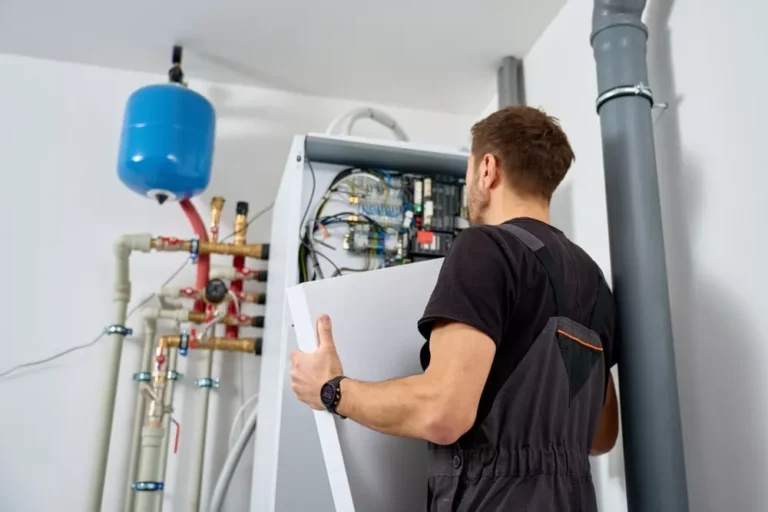
Fall HVAC Checklist: Getting Your Heating System Ready Before the First Cold Snap
Why Fall Is the Right Time
Most heating breakdowns happen the first few times a furnace runs after sitting idle all summer. The problems that sat unnoticed all summer tend to surface the moment the system has to work hard: a worn part, a dirty burner, or a cracked component. Handling those issues in September or October means you are not waiting on a service call during the first freeze, when every HVAC company in the area is slammed. You get ahead of the rush and into winter with confidence.Your Fall HVAC Checklist
Replace your air filter. A clean filter is the single easiest thing you can do for your system. A clogged filter restricts airflow, forces your furnace to work harder, and drives up your energy bill. Check it now, and plan to change it every one to three months through the heating season. Schedule a heating tune-up. Before you rely on your furnace daily, have it professionally inspected. A heating tune-up in Yankton SD covers burner cleaning, safety checks, electrical connections, and a full performance test, so small problems get caught before they leave you in the cold. Test your system early. Turn your heat on for a few minutes on a cool day, well before you actually need it. Listen for unusual noises, watch for odd smells beyond the initial dust burn-off, and make sure warm air is reaching every room. Finding a problem in mild weather is far better than finding it at midnight in January. Reprogram your thermostat for heating. Switch your thermostat over from cooling and set a sensible heating schedule. If you have a programmable or smart thermostat, a lower setting while you sleep or are away can meaningfully lower your winter bills. Clear vents and registers. Make sure furniture, rugs, and curtains are not blocking your supply and return vents. Blocked airflow makes your system work harder and heats your home unevenly. Check your carbon monoxide detector. This one is about safety, not comfort. A gas furnace should always be paired with a working carbon monoxide detector. Test yours and replace the batteries as part of your fall routine. Seal drafts. Weatherstripping around doors and windows keeps the heat you are paying for inside your home. It is a small, inexpensive step that adds up over a long winter.Signs Your Heating System Needs Attention
Even with good maintenance, systems age. Watch for these warning signs as the season starts:- Uneven heating or rooms that never warm up
- Strange noises like banging, rattling, or squealing
- A burning or musty smell that does not clear after the first use
- Short cycling, where the furnace turns on and off frequently
- A steady climb in your energy bills
Frequently Asked Questions
How often should I have my furnace serviced? Once a year, ideally in the fall before heating season begins. Annual maintenance helps prevent breakdowns, keeps your system efficient, and can protect your manufacturer warranty. Can I do any of this myself? Yes. Changing your filter, testing your thermostat, clearing vents, and checking your CO detector are all homeowner-friendly. Leave the burner cleaning, safety inspection, and any repairs to a professional. What if I still need my AC in early fall? No problem. Larry’s can wrap up your cooling season and prep your heating system in a single visit, so you are covered either way.Get Winter-Ready With Larry’s
Larry’s Heating & Cooling has kept Yankton, Vermillion, and the surrounding area warm since 1982. Beat the first cold snap and the fall rush by scheduling your heating tune-up now. Call us at (605) 665-9461, email [email protected], or visit larrysheatingandcooling.com to get on the schedule.Your furnace quits on the coldest night of the year, or your AC dies in a July heat wave. You need help fast, so you call the first name that pops up online.
It is an understandable reaction. It is also how a lot of homeowners end up with rushed work, surprise charges, and a repair that does not hold.
Choosing an HVAC contractor is one of the more important decisions you make for your home. Your heating and cooling system is expensive, essential, and tied directly to your family’s comfort and safety. A little homework up front saves a lot of frustration later.
Here are seven questions to ask before you hire an HVAC contractor in Yankton SD.
Why Choosing the Right HVAC Contractor Matters
An HVAC system is a major investment, and the quality of the installation or repair matters as much as the equipment itself. A poorly sized system, a rushed install, or a misdiagnosed repair can cost you in higher bills, shorter equipment life, and repeat service calls.
The right contractor does not just fix the immediate problem. They explain what happened, do the work right, and stand behind it. These questions help you tell the difference.
1. Are you licensed and insured?
This is the baseline. A licensed, insured contractor protects you if something goes wrong on the job. If a company hesitates to answer this, keep looking.
2. Are your technicians NATE-certified?
NATE certification is the leading independent certification in the HVAC industry. It means a technician has proven their knowledge on real equipment, not just claimed it. At Larry’s, our technicians are NATE-certified, so the person in your home actually knows your system.
3. How long have you been in business locally?
Longevity says a lot. A company that has served the same community for years has a reputation to protect and the experience to back it up. Larry’s has served Yankton, Vermillion, and the surrounding area since 1982.
4. Do you provide written, upfront estimates?
You should know what you are paying before the work starts. A trustworthy contractor gives you a clear written estimate and explains your options rather than surprising you with the bill at the end.
5. What warranties or guarantees do you offer?
A contractor who stands behind their work will say so in writing. Larry’s backs our work with a 12-month satisfaction guarantee, and as a Factory-Authorized Carrier Dealer we can offer strong manufacturer warranties on new equipment.
6. Do you offer emergency service?
Heating and cooling problems do not keep business hours. Ask whether the company offers emergency service and what their response time looks like. Larry’s is available 24/7, including nights, weekends, and holidays, because that is when a lot of breakdowns actually happen.
7. Can you share local references or reviews?
A reputable contractor will have satisfied customers nearby and will not mind pointing you to reviews. Local word of mouth is one of the best indicators of the service you can expect.
The Larry’s Difference
For more than 40 years, Larry’s Heating & Cooling has built its name on doing the job right and treating customers like neighbors, because they are. NATE-certified technicians, a Factory-Authorized Carrier dealership, 24/7 availability, and a 12-month satisfaction guarantee are not marketing lines for us. They are the standard we hold ourselves to on every call.
When you need HVAC service in Yankton SD you can count on, we are ready to help.
Ready to Work With a Contractor You Can Trust?
Whether you need a repair, a tune-up, or a full system replacement, Larry’s Heating & Cooling is here for Yankton, Vermillion, and the surrounding communities.
Call us at (605) 653-6134, email [email protected], or visit larrysheatingandcooling.com to schedule your service.
It is 95 degrees outside. You walk in, the house feels warm, and your instinct is to push the thermostat down to 68 and wait for relief.
Here is the thing: that does not cool your home any faster.
It just runs your air conditioner longer, wears it harder, and shows up on your next energy bill. The good news is that staying comfortable through a South Dakota summer and keeping your cooling costs reasonable are not competing goals. It mostly comes down to setting your thermostat smartly.
Here is what the ideal summer thermostat setting looks like, and how to get the most out of it.
What Is the Ideal Thermostat Setting for Summer?
The U.S. Department of Energy recommends setting your thermostat to 78°F when you are home during the summer. That temperature keeps most homes comfortable while holding down the workload on your AC.
When you are away or asleep, the bigger savings come from letting the temperature drift up. Energy.gov notes that setting your thermostat back 7 to 10 degrees for eight hours a day can save you around 10 percent a year on heating and cooling. In practice, that might mean 78°F while you are home and 82 to 85°F while you are at work.
If 78 sounds warm, start there for a few days. Most people adjust quickly, and a ceiling fan makes it feel several degrees cooler.
Why Cranking It Lower Does Not Cool Faster
This is one of the most common misunderstandings about air conditioning.
Your AC cools at a fixed rate no matter what number is on the thermostat. Setting it to 68 instead of 74 does not make cold air come out faster. It just means the system runs longer to reach a lower target, and on the hottest days it may never actually get there.
The result is a system that runs almost constantly, a higher bill, and more wear on parts that would rather not work overtime in July.
How to Save More Without Sacrificing Comfort
A few simple habits stretch every degree further:
Use a programmable or smart thermostat. Instead of remembering to adjust the temperature twice a day, let the thermostat do it for you. Program a warmer setting for work hours and have the house cooling back down by the time you get home.
Run your ceiling fans. Fans do not lower the temperature, but they create a wind-chill effect that makes a room feel about four degrees cooler. That lets you keep the thermostat higher without noticing. Just turn fans off when you leave the room, since they cool people, not spaces.
Close blinds on sun-facing windows. Direct afternoon sunlight can add real heat to a room. Blocking it out takes pressure off your AC.
Mind the humidity. South Dakota summers get sticky, and humid air feels warmer than it is. A properly working AC removes humidity as it cools, which is one more reason a well-maintained system keeps you comfortable at a higher setting.
When the Thermostat Is Not the Problem
Sometimes the issue is not your setting at all.
If your thermostat is set correctly and your home still will not cool down, that points to a mechanical issue: low refrigerant, a dirty coil, or a struggling compressor. A thermostat can only signal the system to cool. It cannot resolve an AC that is underperforming due to mechanical problems.
That is where a professional air conditioner maintenance visit in Yankton SD comes in. Our NATE-certified technicians check refrigerant levels, clean coils, and confirm your system can actually deliver the temperature you are asking for. If something is off, we catch it before it becomes a mid-summer breakdown.
Frequently Asked Questions
What temperature should I set my thermostat when I leave for vacation? Around 85°F is a good target. It keeps humidity in check and protects your home without cooling empty rooms. Do not turn the AC off entirely in summer, since that lets heat and moisture build up.
Is it cheaper to leave my AC at one temperature all day? No. It is a myth that your system works harder to cool down a warm house than it does to hold a low temperature all day. Letting the temperature rise while you are away almost always saves energy.
Will a smart thermostat really lower my bill? For most households, yes. The savings come from not cooling an empty house, and a smart thermostat makes that automatic and easy to stick with.
Stay Comfortable All Summer With Larry’s
Larry’s Heating & Cooling has kept Yankton, Vermillion, and the surrounding area comfortable since 1982. If your thermostat is set right but your home still is not cooling the way it should, our team is here to help.
Call us at (605) 653-6134, email [email protected], or visit larrysheatingandcooling.com to schedule a visit.
Sign 1: Your System Is More Than 10 to 15 Years Old
Age is the most reliable indicator that replacement is coming. Most central air conditioning systems are designed to last 15 to 20 years with proper maintenance. Once a system crosses the 10-year mark, efficiency starts declining, components wear out more frequently, and the cost of keeping it running starts creeping up. If your system is pushing 15 years or older, it is not a matter of if it will need replacing — it is when. And “when” is a lot less stressful when you plan for it rather than react to it. Not sure how old your system is? Check the manufacturer’s label on the outdoor condenser unit. The serial number typically includes the year of manufacture. If you cannot find it, a Larry’s technician can identify it during a service visit.Sign 2: Your Repair Bills Keep Climbing
One repair is normal. Two repairs in a single season starts to raise questions. Three or more repairs in recent years is a pattern that deserves serious attention. When a system starts failing in multiple places, it is usually a sign that the whole system is aging out, not just one unlucky component. At that point, you are essentially paying to keep a failing system alive one repair at a time instead of investing that money toward a new system that will run reliably for the next 15 to 20 years. A useful framework is the Rule of 5,000: multiply your system’s age by the estimated repair cost. If the result is over 5,000, replacement is typically the better financial move. (We covered this in more detail in our post on repair vs. replacementSign 3: Your Energy Bills Have Been Steadily Rising
If your utility bills are climbing year over year but your usage habits have not changed, your AC system is losing efficiency. Older systems have to work harder to produce the same results, and you pay for that extra effort every month. Modern high-efficiency systems can make a significant dent in your cooling costs. According to Energy.gov, replacing an older system with a new energy-efficient unit can reduce cooling costs by 20 to 40 percent depending on your current system’s condition. Over the lifespan of a new system, that adds up to real money. When you factor in energy savings alongside the cost of ongoing repairs, a new AC installation in Yankton SD often pays for itself faster than homeowners expect.Sign 4: Your Home Is Not Cooling Evenly Anymore
If some rooms in your home are comfortable while others stay stuffy and warm no matter what you do, that is a sign your system is struggling. Uneven cooling can mean several things: an aging system losing capacity, ductwork problems, or a unit that was never properly sized for your home in the first place. Proper sizing is something a lot of homeowners do not think about, but it matters enormously. An undersized system runs constantly without ever catching up. An oversized system short-cycles, which means it turns on and off too frequently, fails to remove humidity properly, and wears out components faster. At Larry’s, we perform a full load calculation before any new installation, accounting for your home’s square footage, insulation levels, window placement, and sun exposure, so you get a system that is actually sized right for your specific home. If uneven cooling has been a persistent issue, a new properly sized installation could solve a problem you have been living with for years.Sign 5: Your System Uses R-22 Refrigerant
If your AC system was manufactured before 2010, there is a good chance it runs on R-22 refrigerant, also known as Freon. R-22 was phased out under federal environmental regulations and has been illegal to produce or import in the United States since 2020. That means the only R-22 available now is recycled stock, and the price has skyrocketed as supplies dwindle. If your R-22 system develops a refrigerant leak, the cost of recharging it can be significant — sometimes more than a new system is worth. And there is no long-term solution; eventually, R-22 systems will become impossible to service economically. If your system still uses R-22, that alone is a strong argument for planning a replacement sooner rather than later. The EPA has full information on the R-22 phaseout if you want to read more about the regulatory background.Why Fall Is Actually a Smart Time to Install
Here is something most homeowners do not know: late summer and early fall can be an ideal time to schedule a new AC installation. Demand starts to ease after the summer rush, scheduling is easier, and you have a fully functioning new system ready to go when next summer arrives, rather than scrambling to get one installed when every HVAC contractor in town is slammed. You also give yourself time to make a thoughtful decision. As a Factory-Authorized Carrier Dealer, Larry’s Heating & Cooling has access to a full range of Carrier systems, and we can walk you through the options without pressure so you find the right fit for your home and your budget.Frequently Asked Questions About AC Installation
How do I know if I need a new AC installation in Yankton SD? The strongest signs are a system that is 10 to 15-plus years old, recurring repairs, rising energy bills, uneven cooling throughout your home, and use of R-22 refrigerant. If two or more of these apply to your system, it is worth getting a professional evaluation. Contact Larry’s Heating & Cooling for a free quote. How much does a new AC installation cost in Yankton SD? AC installation costs vary based on your home’s size, the system you choose, and any ductwork modifications needed. Larry’s offers free quotes on all new installations and multiple financing options to make the investment manageable. How long does a new AC installation take? Most residential AC installations are completed in one day. Larry’s technicians handle the full process, from removing the old unit to testing and commissioning the new system before we leave. What brand of AC does Larry’s Heating & Cooling install? Larry’s is a Factory-Authorized Carrier Dealer and Carrier President’s Award winner. We install Carrier systems, which are widely recognized for reliability, efficiency, and long-term performance. Does a new AC installation come with a warranty? Yes. New Carrier systems come with manufacturer warranties, and Larry’s backs all installation work with a 12-month satisfaction guarantee. We will make sure your new system is running properly before we consider the job done. What is the best time of year to install a new AC system? Spring and early fall are ideal. You avoid the summer rush, scheduling is easier, and you have a fully functional system ready before peak demand. If your current system fails in the middle of summer, Larry’s also handles emergency replacement situations with 24/7 availability.Get Ahead of It – Schedule Your Free Quote Today
If any of these five signs sound familiar, the best move is a professional evaluation before your system forces the decision for you. Larry’s Heating & Cooling has been the trusted HVAC contractor in Yankton SD since 1982. Our NATE-certified technicians, free installation quotes, financing options, and 12-month satisfaction guarantee make the process as straightforward as possible. Contact us today to schedule your free quote.It always seems to happen on the hottest day of the year. You wake up sweating, realize the house never cooled down overnight, and suddenly you are dealing with a broken AC in the middle of a South Dakota summer. It is stressful, uncomfortable, and for young kids, elderly family members, or anyone with health conditions, it can become a safety issue fast.
Here is exactly what to do when your central air goes down in the summer heat, and how to get it back up and running as quickly as possible.
Step 1: Do a Quick Check Before You Call
Before assuming the worst, run through these basic checks. Sometimes the fix is simpler than you think:
Check your thermostat. Make sure it is set to “cool” and that the temperature is set lower than the current room temperature. It sounds obvious, but it is worth verifying, especially if you have a programmable or smart thermostat that may have been accidentally changed.
Check your air filter. A severely clogged filter can cause your system to shut down as a protective measure. If your filter looks like a gray brick, replace it and see if the system recovers.
Check your circuit breaker. A tripped breaker is one of the most common reasons an AC system stops working. Look for any breakers in the “off” or middle position and reset them.
Check the outdoor unit. Make sure the condenser unit outside is running. If it is completely silent and nothing is happening, that points to an electrical or mechanical issue that needs a professional. Also check that nothing is blocking airflow around the unit, like overgrown shrubs or debris.
Give it 30 minutes after resetting. If you reset a breaker or replaced a filter, give the system a little time to restart before concluding it is not working.
If none of that resolves the problem, it is time to call for help.
Step 2: Call for Emergency AC Repair
This is not the time to wait and see. Heat-related illness can set in faster than most people expect, particularly for children, older adults, and pets. Larry’s Heating & Cooling offers 24/7 emergency AC repair in Yankton SD, Vermillion SD, and surrounding communities, and we mean it.
Our NATE-certified technicians will diagnose the problem, give you a clear explanation of what went wrong, and get your system back up and running as fast as possible.
Step 3: Keep Your Home as Cool as Possible While You Wait
While you wait for the technician to arrive, here are some practical ways to manage the heat:
Close blinds and curtains on sun-facing windows. Direct sunlight can raise indoor temperatures significantly. Keeping it blocked out makes a real difference.
Use fans strategically. Ceiling fans and box fans do not cool the air, but they create a wind chill effect that makes the temperature feel several degrees lower. Place a box fan facing out in a window to exhaust hot air from the room.
Avoid heat-generating appliances. Skip the oven, the dishwasher, and the dryer until your AC is back on. These all dump heat into your home.
Stay hydrated. This one is easy to forget when you are focused on solving the problem. Keep water handy for everyone in the house, including pets.
Identify the coolest room. Usually a basement or interior room on the lowest floor. If things get uncomfortable, gather the household there.
Check on neighbors. Elderly neighbors may not ask for help even when they need it. A quick check-in goes a long way.
Common Reasons AC Systems Break Down in Summer
Understanding what caused the breakdown can help you have a more informed conversation with your technician and avoid the same problem next time:
Refrigerant leaks. Low refrigerant is one of the most common causes of AC failure in summer. The system cannot cool effectively without the right charge, and it will often freeze up or shut down entirely.
Capacitor failure. Capacitors start and run the motors in your system. They are a common failure point, especially during heat waves when your system is working overtime. Fortunately, they are also a relatively straightforward fix.
Dirty condenser coils. When the outdoor unit’s coils are coated in dirt, the system cannot release heat properly and will overheat and shut down. This is why annual AC tune-ups are so important.
Clogged condensate drain. Your AC removes humidity from the air as it cools, and that moisture drains out through a condensate line. When that line clogs, the system can shut off as a safety measure.
Electrical issues. Worn wiring, failed contactors, or tripped breakers can all take a system offline. These require a professional to diagnose and repair safely.
Why Summer Breakdowns Are More Likely Than You Think
Your AC works harder in summer than at any other time of year, often running for hours on end during heat waves. That sustained load is exactly when aging components give out, refrigerant leaks become critical, and deferred maintenance catches up with you. According to Energy.gov, systems that have not been properly maintained are far more likely to fail under peak demand conditions.
The single best way to avoid a summer breakdown is an annual spring tune-up before cooling season starts. A tune-up catches small problems before they become full failures and ensures your system is ready to handle the heat. Not sure if your system is up to the task? See our guide on what an AC tune-up actually includes.
Frequently Asked Questions About Emergency AC Repair
Does Larry’s Heating & Cooling offer emergency AC repair near me? Yes. Larry’s Heating & Cooling provides 24/7 emergency AC repair in Yankton SD, Vermillion SD, and surrounding communities. We are available day or night, including weekends and holidays.
How fast can Larry’s respond to an emergency AC repair call? We prioritize emergency calls and work to get a technician out to you as quickly as possible. Response times vary based on demand, but our 24/7 availability means you will never be left waiting until the next business day.
What is the service fee for an emergency AC repair visit? Larry’s charges a $59.95 service appointment fee for diagnostic visits. Your technician will assess the issue and give you a clear estimate before any repair work begins.
What are the most common causes of AC breakdown in summer? The most common causes include refrigerant leaks, capacitor failure, dirty condenser coils, clogged condensate drains, and electrical issues. Most of these are preventable with regular professional maintenance.
Can I prevent summer AC breakdowns? Yes. Annual spring tune-ups are the most effective way to catch problems before they become failures. Larry’s Heating & Cooling also offers the Comfort Care Club, a membership program that includes two tune-ups per year, 15% off parts and labor, and priority scheduling for members.
What should I do if my AC breaks down at night? We offer true 24/7 service, including middle-of-the-night calls. While you wait, close blinds, use fans, avoid heat-generating appliances, and identify the coolest room in your home for your family.
Larry’s Is Ready When You Need Us Most
A summer AC breakdown is never convenient, but it does not have to turn into a crisis. Larry’s Heating & Cooling has been the trusted emergency HVAC contractor in Yankton SD for over 40 years. Our NATE-certified technicians, $59.95 diagnostic fee, and 12-month satisfaction guarantee mean you get honest, fast, reliable help when you need it most.
Don’t sweat it out. Contact us any time to request emergency service.
Most homeowners think about their HVAC system when it stops cooling or heating properly. Very few think about the ductwork running silently through their walls and ceilings every single day. But your ducts are doing a lot of heavy lifting, and over time, they collect everything your air filters don’t catch: dust, pet dander, pollen, mold spores, and more.
The good news is that professional duct cleaning services are straightforward, affordable, and make a real difference in how your home feels and how your HVAC system performs. Here’s everything you need to know.
How Often Should You Get Your Ducts Cleaned?
Larry’s Heating & Cooling recommends professional duct cleaning at minimum every five years for most homes. If you have pets, that number drops to every three to five years. Pet dander and hair accumulate in ductwork faster than most people realize, and it circulates through your home every time your system runs.
A few other situations where you should consider scheduling sooner:
After a home renovation. Construction kicks up enormous amounts of dust and debris, much of which ends up in your duct system.
If you’ve moved into a new-to-you home. You have no way of knowing when (or if) the previous owners ever had the ducts cleaned.
If allergy or asthma symptoms are getting worse indoors. Your ducts may be circulating allergens through every room in the house.
If you notice musty or stale odors when the system runs. That smell is often coming directly from buildup inside the ducts.
Signs Your Ducts Need Cleaning Now
You don’t always have to wait for your five-year mark. Watch for these warning signs:
Visible dust buildup around vents and registers. If there’s a ring of dust around your vents, that’s a sign of what’s accumulating inside.
Excessive dust in your home no matter how often you clean. Your ducts may be redistributing it faster than you can wipe it away.
Reduced airflow from vents. Blockages in your ductwork restrict airflow, which makes your system work harder and cool (or heat) less effectively.
Higher-than-normal utility bills. When your HVAC system has to push air through clogged ducts, efficiency drops and energy costs go up.
Anyone in the home developing new or worsening respiratory symptoms. Dirty ducts are a common and frequently overlooked contributor to indoor air quality problems. For more on that, see our post on how poor indoor air quality could be affecting your family.
What Actually Happens During a Duct Cleaning
This is the question we hear most often, and it’s a fair one. Here’s what to expect when Larry’s comes out for a duct cleaning in Yankton SD:
Inspection first. Our technicians start by inspecting your duct system to assess the level of buildup and identify any areas of concern, like damage, leaks, or mold.
High-powered vacuuming. We use commercial-grade, high-powered vacuum equipment to create negative pressure inside your duct system, pulling debris out rather than pushing it further in.
Rotary brushing and agitation. Brushes and air whips loosen built-up debris from the interior walls of your ducts so it can be fully extracted.
Registers and vents cleaned. Every register and vent cover gets cleaned as part of the process.
Sanitization. If needed, we can sanitize your duct system to address mold, bacteria, or odor-causing buildup.
The whole process typically takes two to four hours depending on the size of your home and the complexity of your duct system. You do not need to leave your home, and there is minimal disruption.
What Does Duct Cleaning Cost in Yankton SD?
Professional duct cleaning typically runs between $300 and $500 for most homes, depending on size and the condition of the system. Larry’s stands behind our work with a satisfaction guarantee, and we provide tailored estimates so you know exactly what you’re looking at before we start.
The Connection Between Clean Ducts and a Healthy HVAC System
Your ductwork and your HVAC system are deeply connected. Dirty ducts mean your system has to work harder to push air through, which increases wear on components, reduces efficiency, and shortens the lifespan of your equipment. Clean ducts, on the other hand, let your system run the way it was designed to, which means better performance, lower energy bills, and fewer repair calls down the road.
The EPA notes that while duct cleaning has not been proven to prevent health problems on its own, it is an important part of maintaining a clean, well-functioning HVAC system, especially in homes with occupants who have allergies, asthma, or other respiratory conditions.
Pairing regular duct cleaning with annual AC tune-ups is one of the best things you can do to protect your investment and keep your home comfortable year-round.
Frequently Asked Questions About Duct Cleaning
How often should I get duct cleaning services in Yankton SD? Larry’s Heating & Cooling recommends professional duct cleaning every five years for most homes, and every three to five years for homes with pets. You may need it sooner if you have recently completed a renovation, moved into a previously owned home, or are experiencing allergy symptoms or unusual odors when your HVAC system runs.
Is professional duct cleaning worth it? Yes, for most homes. Professional duct cleaning improves indoor air quality, helps your HVAC system run more efficiently, reduces dust buildup throughout the home, and can alleviate allergy and asthma symptoms. Attempting to clean ducts yourself is not recommended, as improper technique can damage ductwork or release trapped contaminants into your living space.
How long does a duct cleaning take? Most residential duct cleanings take two to four hours, depending on the size of your home and the condition of the duct system.
What does duct cleaning include at Larry’s Heating & Cooling? Our duct cleaning service includes a full inspection, high-powered vacuuming, rotary brush agitation, register and vent cleaning, and sanitization if needed. We use state-of-the-art equipment and stand behind our work with a satisfaction guarantee.
Can duct cleaning help with allergies? Yes. Removing accumulated dust, pet dander, pollen, and mold spores from your ductwork reduces the amount of those allergens circulating through your home every time your system runs. Combined with a quality air filtration system, duct cleaning can make a meaningful difference for allergy and asthma sufferers.
Does Larry’s Heating & Cooling offer duct repair and installation too? Yes. In addition to cleaning, we offer duct repair and duct installation services for Yankton SD and surrounding communities including Vermillion. If your ductwork is damaged, leaking, or undersized, we can assess and fix it.
Schedule Your Duct Cleaning in Yankton SD Today
Larry’s Heating & Cooling has been serving Yankton and the surrounding area since 1982. Our NATE-certified technicians, state-of-the-art equipment, and 12-month satisfaction guarantee mean you can trust the job will be done right the first time.Ready to breathe easier? Contact us today to schedule your duct cleaning.
There’s nothing quite like walking into a cool house on a hot South Dakota afternoon. And there’s nothing quite as frustrating as realizing your AC is running constantly but your house still feels like an oven. When your central air starts struggling, the big question is always the same: do I repair it, or replace it?
It’s not always an obvious call – and the wrong decision can cost you real money either way. At Larry’s Heating & Cooling, we’ve been helping Yankton homeowners navigate this exact decision since 1982. Here’s how to think through it.
Signs Your Central Air Probably Just Needs a Repair
Not every problem with your AC means it’s time to start shopping for a new system. These are the situations where a professional AC repair in Yankton is usually the right move:
It’s a single, identifiable problem. A refrigerant leak, a faulty thermostat, a clogged filter, or a tripped capacitor – these are all fixable issues that don’t necessarily mean the whole system is failing.
Your unit is less than 10 years old. Most central air systems have a lifespan of 15 to 20 years with proper maintenance. If yours is relatively young and well-maintained, a repair is almost always the more cost-effective path.
The repair cost is less than half the cost of replacement. A common rule of thumb in the HVAC industry: if the repair costs less than 50% of what a new system would cost, the repair is typically worth it.
You’ve kept up with maintenance. A system that has been regularly serviced – filters changed, coils cleaned, tune-ups done – is worth repairing because it’s likely to keep running reliably afterward.
Signs It Might Be Time to Replace Your Central Air System
Sometimes, though, repair is just delaying the inevitable. Here are the signals that point toward AC replacement:
Your system is 10 to 15+ years old. Age is one of the biggest factors. Older systems lose efficiency over time, and as components wear out, repairs become more frequent and more expensive. At some point, you’re throwing money at a system that’s living on borrowed time.
You’re calling for repairs repeatedly. One repair is normal. Two or three repairs in a single season is a pattern – and a sign that the system is failing more broadly.
Your energy bills keep climbing. Older, inefficient systems work harder to produce the same (or worse) results, and you pay for it every month. A new high-efficiency system can significantly reduce your cooling costs. According to Energy.gov, replacing an old system with a modern energy-efficient unit can cut cooling costs by up to 20-40%.
Your home isn’t cooling evenly. Hot spots, rooms that never seem to cool down, or humidity that just won’t budge can indicate that your system is undersized, improperly configured, or simply too worn to do its job.
You’re hearing unusual noises. Banging, grinding, or squealing sounds often indicate mechanical failures that signal a system near the end of its life.
The “Rule of 5,000” – A Useful Framework
A popular tool for making this decision is the Rule of 5,000: multiply the age of your unit (in years) by the estimated repair cost. If the result is more than $5,000, replacement is generally the smarter financial move. If it’s under $5,000, repair usually wins.
For example: a 12-year-old unit with a $500 repair estimate = 6,000. That tips toward replacement. A 6-year-old unit with a $400 repair estimate = 2,400. That’s clearly worth repairing.
It’s not a perfect formula, but it’s a helpful starting point when you’re on the fence.
What to Expect When You Call Larry’s
Whether you’re leaning toward repair or replacement, the right first step is a professional diagnosis. Our NATE-certified technicians will assess your system, give you an honest evaluation of its condition, and walk you through your options – without pressuring you toward the more expensive choice.
If repair is the right call, we’ll get it done fast with warranties on our work and 24/7 availability if you need us. If replacement makes more sense, we’ll perform a proper load calculation based on your home’s square footage, insulation, and sun exposure to make sure you get the right-sized system — not just whatever’s in stock. As a Factory-Authorized Carrier Dealer, we have access to some of the best equipment on the market, and we’ll help you find the right fit for your home and budget.
We also offer financing options and free quotes on replacement systems, so sticker shock doesn’t have to be part of the conversation.
Frequently Asked Questions About Central Air Repair vs. Replacement
How do I know if I need AC repair or replacement in Yankton SD? The key factors are your system’s age, repair history, and the cost of the current repair relative to a new system. If your unit is under 10 years old and the repair is isolated, repair is usually the right call. If it’s older, has had multiple recent repairs, or is costing significantly to fix, replacement often makes more financial sense. A free consultation with Larry’s Heating & Cooling can help you decide.
How long does a central air system last? Most central air conditioning systems last 15 to 20 years with regular professional maintenance. Systems that haven’t been serviced regularly tend to fail sooner. Annual AC tune-ups are the single best way to extend your system’s life.
What does AC replacement cost in Yankton SD? AC replacement costs vary based on your home’s size, the system you choose, and any necessary modifications to your existing ductwork. Larry’s Heating & Cooling offers free quotes on replacement systems so you know exactly what you’re looking at before making any decisions. Call (605) 653-6134 to schedule.
Does Larry’s Heating & Cooling offer financing on new AC systems? Yes. Larry’s offers multiple financing options to make AC replacement more manageable. Contact us at [email protected] or call (605) 653-6134 to learn more.
Is Larry’s Heating & Cooling a Carrier dealer in Yankton SD? Yes. Larry’s Heating & Cooling is a Factory-Authorized Carrier Dealer and has won the Carrier President’s Award. We install and service Carrier equipment throughout Yankton, Vermillion, and surrounding communities in South Dakota.
Don’t Sweat It – Larry’s Has You Covered Either Way
Whether your central air needs a quick fix or a full replacement, Larry’s Heating & Cooling has the experience, the equipment, and the 24/7 availability to get your home comfortable again. We’ve been the trusted HVAC contractor in Yankton SD for over 40 years, and we back every job with a 12-month satisfaction guarantee.
Contact us today to schedule a diagnostic appointment or request a free replacement quote.
You probably think about the air quality outside – pollen counts, smoky days, wind advisories. But what about the air inside your home? According to the EPA, indoor air can be two to five times more polluted than outdoor air, and most families have no idea it’s happening.
At Larry’s Heating & Cooling, indoor air quality testing in Yankton SD is one of the most underutilized services we offer – and one of the most impactful. If someone in your home is dealing with unexplained allergy symptoms, frequent headaches, or just never seems to feel quite right inside, the air in your home might be worth a closer look.
What Is Indoor Air Quality and Why Does It Matter?
Indoor air quality (IAQ) refers to the condition of the air inside your home – specifically how it affects the health and comfort of the people living there. Poor IAQ isn’t just uncomfortable. Over time, breathing air loaded with pollutants, allergens, mold spores, and volatile organic compounds (VOCs) can contribute to respiratory problems, chronic fatigue, worsened asthma, and other health issues.
The tricky part? You usually can’t see it, smell it, or taste it. By the time you notice something is wrong, the problem has often been building for a while.
Common Signs Your Home May Have an Air Quality Problem
Poor indoor air quality shows up in a lot of different ways. Here are some things to watch for:
Frequent allergy or asthma flare-ups indoors. If symptoms get worse when you’re home and better when you’re out, your indoor air is worth investigating.
Unexplained headaches, fatigue, or dizziness. These can be signs of elevated VOCs or carbon monoxide — both of which are invisible and odorless.
Musty or stale odors. Persistent odors often indicate mold, mildew, or bacteria growing somewhere in your ductwork or HVAC system.
Excessive dust buildup. If you’re dusting constantly and it never seems to get better, your air filtration system may not be doing its job.
Dry skin, irritated eyes, or frequent nosebleeds. These can be signs of low humidity or airborne irritants circulating through your home.
What Causes Poor Indoor Air Quality?
Several factors contribute to declining air quality inside a home:
Dirty or clogged air filters. A filter that hasn’t been changed regularly stops capturing pollutants and starts recirculating them.
Duct buildup. Over time, your ductwork collects dust, pet dander, mold spores, and other debris. The EPA recommends having ducts inspected regularly – and Larry’s recommends professional duct cleaning services at minimum every five years, more often if you have pets.
Poor ventilation. Modern homes are built tight for energy efficiency, which is great for utility bills but can trap pollutants inside without proper ventilation. ASHRAE Standard 62.2 sets the benchmark for healthy residential ventilation.
Household products. Cleaning supplies, paints, candles, and even certain building materials release VOCs into your air on a regular basis.
Humidity imbalances. Air that’s too dry irritates airways and skin. Air that’s too humid encourages mold and dust mites.
What Can You Do About It?
The good news is that poor indoor air quality is very fixable. Here’s what Larry’s Heating & Cooling recommends for Yankton SD homeowners:
Schedule an indoor air quality assessment. The first step is knowing what you’re dealing with. Our team can evaluate your home’s air and recommend the right solution. Contact us here to get started.
Upgrade your air filtration. Not all filters are created equal. We can help you find the right filtration level for your system and your family’s needs.
Invest in an air purification system. Using environmentally friendly, cutting-edge technology, our air purification solutions remove odors, smoke, VOCs, mold spores, viruses, and bacteria – the stuff standard filters miss entirely.
Get your ducts cleaned. If your ducts haven’t been cleaned in five or more years (or ever), that’s often the fastest way to see and feel a difference. Learn more about what to expect from a duct cleaning.
Add a whole-home humidifier or dehumidifier. Balancing humidity levels makes your home more comfortable and significantly reduces the conditions that allow mold and allergens to thrive.
Frequently Asked Questions About Indoor Air Quality
What is indoor air quality testing in Yankton SD? Indoor air quality testing is a professional assessment of the pollutants, allergens, and contaminants present in your home’s air. At Larry’s Heating & Cooling, our NATE-certified technicians evaluate your home’s air and HVAC system to identify problem areas and recommend the most effective solutions.
How do I know if my home has poor indoor air quality? Common signs include persistent allergy or asthma symptoms indoors, musty odors, excessive dust, frequent headaches or fatigue, and dry or irritated eyes and skin. A professional air quality assessment is the most reliable way to know for certain.
Can my HVAC system improve indoor air quality? Yes. Your HVAC system plays a major role in your home’s air quality. Regular filter changes, duct cleaning, and adding air purification or humidity control systems can dramatically improve the air your family breathes every day.
How often should ducts be cleaned for better air quality? Larry’s Heating & Cooling recommends duct cleaning at minimum every five years, and more frequently if you have pets, allergy sufferers, or anyone with a respiratory condition in your home.
Does Larry’s Heating & Cooling offer indoor air quality services near me? Yes. Larry’s Heating & Cooling serves Yankton SD, Vermillion SD, and surrounding communities. We offer indoor air quality testing, air purification systems, duct cleaning, and humidity control solutions for residential customers.
Breathe Easier With Larry’s Heating & Cooling
Your family deserves to breathe clean air in their own home. Larry’s Heating & Cooling has been helping Yankton families do exactly that since 1982. Our NATE-certified technicians, 12-month satisfaction guarantee, and 24/7 availability mean you’re never left without answers or clean air.
Ready to find out what’s in your air? Contact us today to schedule an indoor air quality assessment.
Summer in South Dakota doesn’t ease in gently. One week you’re running the heat, and the next you’re reaching for the thermostat and hoping your AC kicks on without a hitch. That’s exactly why a spring AC tune-up in Yankton SD isn’t just a “nice to have” – it’s the difference between a cool, comfortable home and a sweaty emergency call in July.
At Larry’s Heating & Cooling, we’ve been keeping Yankton families comfortable since 1982. The calls we get in the middle of a heat wave almost always could have been prevented with one simple spring visit. Here’s what a real AC tune-up includes and why it matters.
What Does an AC Tune-Up Include?
A tune-up isn’t just someone glancing at your unit and calling it good. When our NATE-certified technicians perform air conditioner maintenance in Yankton SD, here’s what the visit actually covers:
Condenser coil cleaning. Dirty coils force your system to work harder, which drives up your energy bill and shortens the life of your unit.
Evaporator coil inspection and cleaning. This indoor component pulls heat and humidity out of your air. When it’s dirty, your AC can’t do its job effectively.
Refrigerant level check. Low refrigerant is one of the most common reasons AC systems underperform. We check levels and look for signs of a leak.
Electrical component inspection. Loose or corroded connections are a safety hazard and can cause unexpected system failure.
Lubrication of moving parts. Friction shortens equipment life. Proper lubrication keeps everything running smoothly.
Thermostat calibration check. If your thermostat isn’t reading correctly, your system is working against itself.
Blower motor cleaning. This is what moves air through your home. When it’s struggling, you feel it in every room.
Air filter inspection or replacement. We’ll check your current filter and recommend the right one for your system.
Full system performance test. We run the system, check airflow, and confirm everything is ready for the heat of summer.
Why Spring Is the Best Time to Schedule an AC Tune-Up in Yankton SD
By the time June hits, HVAC schedules in Yankton fill up fast. Booking your tune-up in April or May means you get ahead of the rush and – more importantly – you catch problems before your system actually needs to perform.
Think of it like checking your fuel gauge before a long drive, not after you’re already stranded.
Frequently Asked Questions About AC Tune-Ups
How often should I get an AC tune-up? Most HVAC manufacturers and contractors recommend a professional AC tune-up once per year, ideally in the spring before cooling season begins. Annual maintenance helps extend equipment life, maintain efficiency, and catch small issues before they become expensive repairs.
How long does an AC tune-up take? A thorough AC tune-up typically takes 60 to 90 minutes, depending on the age and condition of your system.
How much does an AC tune-up cost in Yankton SD? Larry’s Heating & Cooling charges a $59.95 service appointment fee. Members of our Comfort Care Club receive two tune-ups per year as part of their membership, along with 15% off parts and labor.
What happens if I skip my annual AC tune-up? Skipping annual maintenance increases the risk of unexpected breakdowns, reduces system efficiency (which raises energy bills), and can void manufacturer warranties. Most AC failures during summer heat waves trace back to deferred maintenance.
Is Larry’s Heating & Cooling a licensed HVAC contractor near me? Yes. Larry’s Heating & Cooling is a NATE-certified, Factory-Authorized Carrier Dealer serving Yankton SD, Vermillion SD, and surrounding communities. We’ve been in business since 1982 and carry a 12-month satisfaction guarantee on our work.
The Comfort Care Club: Tune-Ups Made Simple
If you want to take the guesswork out of home comfort, our Comfort Care Club membership includes two tune-ups per year (heating and cooling), 15% off parts and labor, and priority scheduling when something goes wrong. It’s the kind of plan that pays for itself.
Schedule Your AC Tune-Up in Yankton SD Today
Larry’s Heating & Cooling has served Yankton, Vermillion, and the surrounding area for over 40 years. Our NATE-certified technicians, 12-month satisfaction guarantee, and 24/7 availability make us the HVAC contractor Yankton homeowners call first and keep calling.
Spots fill up fast before summer. Contact us today to schedule your spring tune-up.
- The back of the air conditioning unit is too hot
- The air is still hot even when you set the temperature to cold
- There is an unexplained spike in your electricity bill
- More allergy attacks
- More dust near the air vents.
Check the Windows
Did you know that windows lose about ten times more heat than your walls? That’s why it’s crucial to ensure they’re up to scratch this winter. Do your own inspection and check for gaps and cracks around your windows because these can cause heat loss in your home. You’ll be surprised how much you can save by doing just that! One of the other ways to keep more heat in your home is to double-glaze your windows. It’s certainly an investment, but one worth making, particularly for cold areas like ours.
Seal Drafty Windows to Slash Winter Heating Costs
It’s a well-known fact that warm air rises. However, this can have a rather negative effect on your heating bills. While it might seem like the fan is a gadget to stay away from during the winter, you’d be surprised how much it can come in handy if you play around with it. However, the trick here is to switch from normal function and make it so that the blades spin in a clockwise manner. There’s usually a switch on the base of your fan that you can use to do this. Once the fan changes direction, it will create a slight upward draft. In the process, the warm air in your home will be pushed toward the walls, then back into the room, making your home warmer.
Stop Drafty Doors
Drafty doors can be your worst enemy in winter. A lot of heat can be lost via the gaps in your doors, especially under them. You can either fix this with a simple DIY foam project, or you can purchase a cheap draft dodger from your nearest warehouse or even online. Draft dodgers are simple to install under your doors, and they can be removed when the weather becomes warmer. If you’re up for a DIY task, look for pipe insulation, cut it to size, and wrap it around the bottom of your door. You can do this for interior doors as well.
Let the Sunshine In
This is probably the cheapest move you can make to lower your home heating bills. Open the curtains or raise your blinds when the sun is up. This is quite effective, especially when you open south-facing windows. These windows bring in the most amount of warmth during the afternoon. However, you must remember to close the curtains as soon as the sun goes down.
These are some of the simplest home heating hacks that you can apply in your home this winter. However, sometimes this is not enough, which is why you need your HVAC working properly and efficiently, too!
Is Your Home Ready for a Cold South Dakota Winter?
The cold weather comes quickly, and by the time you realize that your heater is having problems, you may be stuck in a cold, drafty home! The best thing to do here is be proactive and get your HVAC checked so it’s ready for winter.
Make sure your home is warm this winter. Contact us today to schedule an appointment and ensure your HVAC system is ready for colder days. Our heating and cooling company proudly serves those in Yankton, Vermillion, and the surrounding SD communities.
HVAC systems have many components that work together to heat and cool your home or business. Dampers are less popular components of heating and cooling systems, but they play a crucial role in temperature regulation.
What Are HVAC Dampers?
HVAC dampers are movable, plate-shaped devices that sit 4 to 6 feet from the main duct trunk. The damper can hold or push air as needed just as a dam shuts off water flow downstream. Dampers function as valves that determine how much cooled or heated air flows into different parts of your home to attain your preferred settings.
HVAC dampers are sometimes with vents located in the floors and walls. Many people change the angle of the vents to control airflow. However, vents only block air from entering the room, which remains in the duct length. Dampers are more efficient in blocking air as they are positioned close to the opening of the air distribution pipe.
Types of HVAC Dampers
Manual and automatic dampers are the two main types of HVAC dampers. You need to control manual dampers by pulling the levers situated outside ducts and vents. Thus, you cannot operate these dampers remotely, and they lack the precision of automatic models.
Automatic dampers can self-regulate, and you can create an HVAC zoning system via a programmable thermostat. You can also remotely regulate automatic dampers, which is convenient for HVAC systems that sit close to or on the ceiling.
How to Locate HVAC Dampers
Some homes do not have dampers. If you have a premium multi-zoned HVAC system, your dampers are automatic and don’t require manual intervention. For systems with manual dampers, find them on the main supply trunk, although there may be a damper on every supply duct. If the ductwork is exposed, check which runs have dampers. You can identify dampers by the attached levers or rods.
In older houses, dampers can get covered up with drywall during remodeling projects. In this case, you can either use vents to control the air or check the blueprints to locate the dampers.
How to Adjust HVAC Dampers
You need to identify where all the dampers lead to manage them effectively. The process can be tasking as you need to open and close the dampers and check the rooms without airflow. You can get additional help and label the dampers according to the corresponding rooms.
Keep in mind that hot air rises while cold air sinks. This makes the lower levels of the home colder than the attic. If you want to cool your house, close the dampers that branch to your home’s lower levels. Since cool air sinks, the air on the upper floors flows to the lower levels and cools the entire house.
If you want to heat your home, restrict the air on the upper levels. The heat from the furnace will rise and distribute hot air across the house. Your adjustments may take some time to be felt, and you want to wait for a few days after turning the dampers.
What About Season Changes?
You need to make periodical changes to the airflow to maintain comfort in your space. Most homes and businesses open dampers going upstairs in the summer and leave them closed in the winter.
You can also set phone alerts to adjust the dampers before the house gets too hot or cold. If your home does not have dampers, your best bet is to close some air registers in the upper levels in the winter and close some in the lower levels in the summer.
Optimize HVAC Dampers for Better Airflow - Call Our Experts
HVAC dampers control the airflow in your home and contribute to the system’s overall efficiency. Contact our team today if adjusting your HVAC dampers doesn’t address your heating and cooling inconsistencies. Our heating and cooling experts will ensure your system is running properly all year long. Our HVAC company proudly serves homes and businesses in Yankton, Vermillion, and the nearby SD communities.