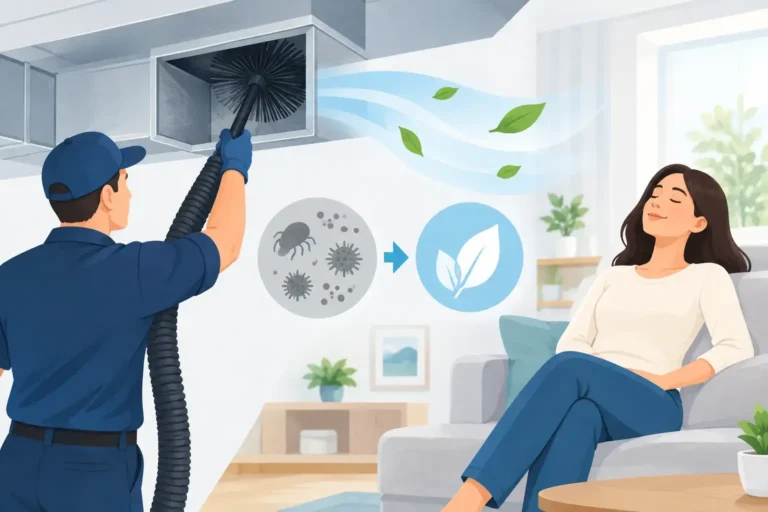

If someone in your home wakes up congested, coughs more indoors, or seems to struggle when the furnace or air conditioner starts, the question of duct cleaning for allergies is understandable. Your ductwork moves air through every room, and anything carried in that air stream can affect comfort. Still, cleaning ducts is not a cure-all for allergy symptoms. The right answer depends on what is actually in the system, how well it is filtered, and whether another indoor-air issue is doing the real damage.
When Duct Cleaning for Allergies Can Help
Duct cleaning may be worthwhile when dust, construction debris, pet hair, or other visible material has accumulated inside the duct system. A professional inspection can also reveal signs of moisture, pest activity, damaged duct insulation, or restricted airflow. These conditions can contribute to poorer indoor air quality and make a home feel dustier than it should.
For families dealing with allergies, the benefit is usually indirect. Removing built-up debris can reduce one source of particles that may circulate when the HVAC system runs. That can be especially helpful after a remodeling project, a move into an older home, a period of heavy pet shedding, or an event that sent unusual amounts of dust through the house.
South Dakota weather adds another practical factor. Homes in Yankton and Vermillion often stay closed up for long stretches during winter and summer extremes. When windows are shut and the heating or cooling system is running regularly, filtration, duct condition, and airflow have a larger effect on the air your family breathes.
However, allergy triggers do not live only in ducts. Pollen enters through doors, windows, clothing, and pets. Dust mites collect in bedding, upholstered furniture, and carpeting. Pet dander settles throughout the home. If those sources are not addressed, even a thoroughly cleaned duct system will have limited impact on symptoms.
Signs Your Ducts Deserve a Professional Look
A light layer of dust around supply registers does not automatically mean your ducts need cleaning. Registers sit in active living spaces, so they naturally collect dust. The more useful question is whether there is evidence of a larger system issue.
Consider scheduling an HVAC inspection if you see visible debris blowing from vents, find excessive dust returning shortly after cleaning, notice a musty odor when the system starts, or see signs of water damage near equipment or ductwork. A recent renovation, a rodent or insect problem, and poorly maintained filters are also good reasons to have the system evaluated.
Allergy symptoms alone are not proof that ducts are contaminated. A trained technician should inspect the equipment and accessible ductwork before recommending work. Honest service means explaining what is found, what cleaning can reasonably accomplish, and whether another repair or indoor-air improvement would serve your home better.
Moisture Changes the Priority
If mold-like growth, damp insulation, or standing water is suspected, cleaning alone is not the fix. The moisture source must be found and corrected first. That might involve a condensate drain issue, an oversized or improperly operating cooling system, a plumbing leak, poor ventilation, or ductwork in a damp crawl space.
Without correcting the cause, debris and microbial growth can return. More importantly, moisture issues can damage building materials and create a larger repair if they are ignored. This is a situation where a contractor with both HVAC and plumbing experience can help identify where the problem began.
What Professional Duct Cleaning Should Include
Proper duct cleaning is more than placing a vacuum hose at a vent. The goal is to remove loosened debris while controlling where that debris goes. A technician should assess the supply and return sides of the system, protect the work area, use appropriate negative-air collection equipment, and clean accessible components as needed.
The process may include cleaning supply and return ducts, registers, grilles, and the blower compartment. Depending on the system condition, the evaporator coil, drain pan, or other equipment components may also need attention. Those parts affect airflow and can collect dirt over time, but they should be handled carefully to avoid damage.
Not every home needs the same scope of work. Older duct systems can have loose connections or fragile materials. Some homes have ducts that are difficult to access without opening finished surfaces. A qualified contractor should explain those limits up front rather than making broad promises about a perfect result.
Be cautious with claims that duct cleaning will eliminate all allergies, sterilize a home, or dramatically lower utility bills in every situation. Cleaning may improve airflow when buildup is significant, but system performance also depends on equipment condition, duct sizing, refrigerant operation, thermostat settings, and filter selection.
Better Allergy Control Starts With the HVAC Filter
For most households, regular filter changes do more for day-to-day particle control than occasional duct cleaning. A filter only works when it fits properly, is installed in the correct direction, and is changed before it becomes overloaded. A clogged filter can reduce airflow, strain the furnace or air conditioner, and allow more dust to settle within the system.
The best filter rating depends on your equipment and your household. Higher-efficiency filters can capture smaller particles, but they can also create too much resistance in systems not designed for them. That is why selecting the highest rating on the shelf is not always the right move. Your HVAC technician can recommend a filter that balances air cleaning with the airflow your system needs for safe, reliable operation.
For homes with pets, smokers, frequent dust concerns, or allergy-sensitive family members, checking the filter monthly is a sensible habit. It may not need replacement every month, but it should not be forgotten for an entire heating or cooling season.
Airflow Problems Can Mimic Air-Quality Problems
A room that feels stuffy, dusty, or irritating may have an airflow issue rather than dirty ducts. Closed or blocked registers, leaky ducts, an undersized return, a failing blower motor, and poorly balanced airflow can all leave certain areas uncomfortable.
In some cases, the solution is duct repair, sealing, or adjustment instead of cleaning. Leaky return ducts are particularly worth addressing because they can pull dusty air from attics, crawl spaces, garages, or wall cavities into the HVAC system. Sealing those leaks helps protect both comfort and equipment efficiency.
Practical Steps Between Service Visits
Duct cleaning works best as part of a broader plan for cleaner indoor air. Keep return grilles clear of furniture and rugs so the system can circulate air properly. Vacuum regularly with a machine that has effective filtration, wash bedding often, and manage humidity to discourage dust mites and moisture problems.
During high-pollen periods, change clothes and wipe down pets after spending time outdoors. If outdoor air quality is poor because of smoke or other conditions, keep windows closed and make sure your HVAC filter is in good condition. Portable air cleaners can also help in bedrooms or other high-use spaces, especially for family members with known sensitivities.
Most importantly, keep up with seasonal heating and cooling maintenance. A maintenance visit gives a technician the opportunity to inspect the blower, electrical connections, drains, combustion safety items on heating equipment, and overall system operation. Small concerns can often be corrected before they turn into an uncomfortable breakdown or a more expensive repair.
Choosing the Right Next Step for Your Home
If you are considering duct cleaning because allergies are making home life miserable, start with an inspection rather than an assumption. Ask for clear findings: Is there meaningful debris in the ductwork? Is the filter appropriate? Is there moisture, a duct leak, or an equipment issue that needs attention first?
Larry’s Plumbing, Heating and Cooling helps homeowners across southeastern South Dakota sort through those questions with practical recommendations and prepared technicians. Whether the right answer is duct cleaning, filtration improvements, duct repair, or routine HVAC maintenance, the goal should be healthier airflow and a system that keeps doing its job when your family needs it most.
A cleaner duct system can be part of allergy relief, but the best results come from solving the whole indoor-air picture instead of relying on one service alone.